Opal AI Audio Gadget: OpenAI-Backed Startup Enters AI Hardware
 By Inflix
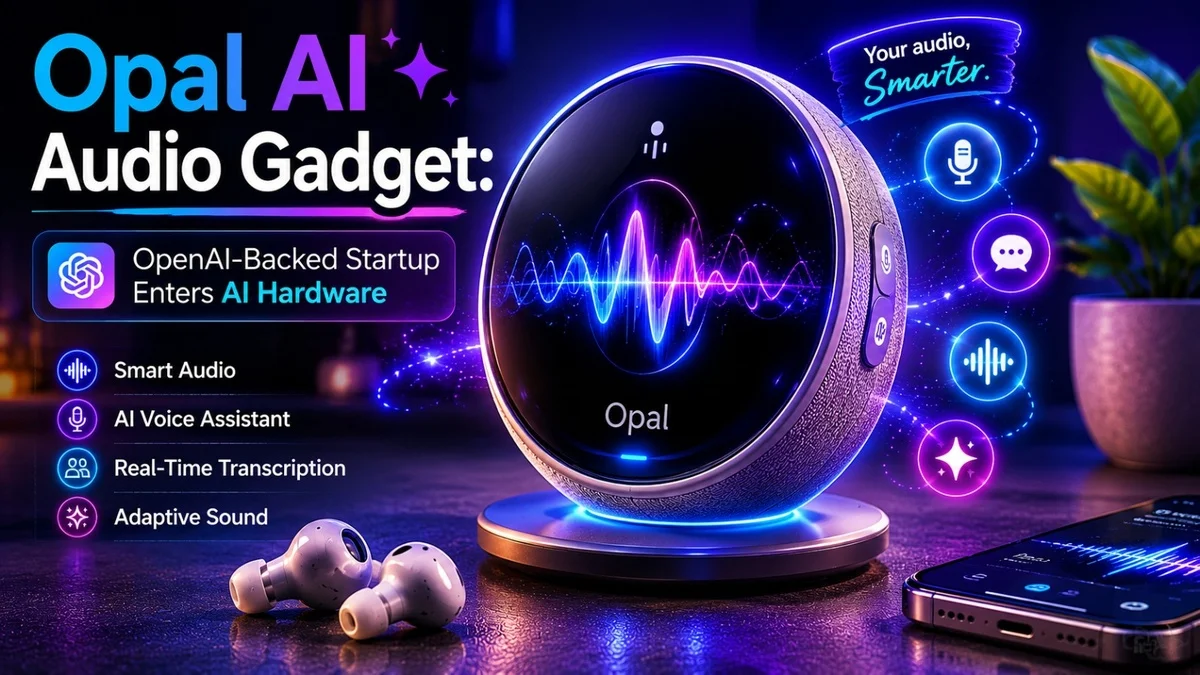
 Opal AI audio gadget could become one of the most interesting AI hardware stories of 2026. Opal, the startup known for premium webcams, is now moving into a wider consumer electronics future with support from OpenAI, Samsung and other major investors.
This is important because the AI hardware market has been difficult so far. Products like Humane AI Pin and Rabbit R1 created big hype, but they also showed how hard it is to build a useful AI gadget that people want to use every day.
Now, Opal Electronics appears to be taking a more careful approach. Instead of promising to replace smartphones, the company is working on an AI-powered audio product that may focus on practical use, premium design and better everyday interaction.
What Is the Opal AI Audio Gadget?
The Opal AI audio gadget is an upcoming AI-powered consumer device from Opal Electronics. Although the company has not revealed the full product design yet, reports say the first new product will be an audio-focused gadget.
That means the device may focus on sound, voice interaction, listening, conversation or AI assistant features. However, exact details are still limited, so it is better to see it as an upcoming AI hardware project rather than a confirmed smart speaker or wearable.
Opal is already known for premium webcams with strong design quality. Therefore, many people will watch closely to see whether the company can bring the same design-first approach to AI hardware.
Why the Opal AI Audio Gadget Matters
The Opal AI audio gadget matters because AI hardware is entering a new phase. Early AI gadgets tried to create a completely new category, but many struggled because they did not offer enough value beyond a smartphone.
Opal’s approach may be different. The company is not trying to reveal everything too early. Instead, it appears to be building a product with a more focused purpose.
This matters because users do not need another gadget just for hype. They need a device that solves a real problem, works reliably and feels worth using at home, at work or on the move.
OpenAI-Backed AI Hardware Gets More Attention
One reason this story is getting attention is the investor list. Opal’s new funding round is reportedly led by OpenAI, with Samsung and other well-known backers also involved.
This gives Opal more credibility than a small hardware startup working alone. OpenAI brings AI influence, while Samsung has deep consumer electronics experience. In addition, other investors add more visibility to the project.
For official wider context around OpenAI’s product direction, you can visit the OpenAI blog, where the company shares updates about AI tools, models and product developments.
From Opal Camera to Opal Electronics
Opal was previously known as Opal Camera because of its premium webcam products. Now, the company is rebranding as Opal Electronics, which signals a bigger ambition.
This name change matters because it shows that Opal does not want to stay limited to webcams. Instead, it wants to become a broader consumer electronics brand.
According to reports, Opal is aiming to build more than one product over the next year. The AI audio device may be the first step in a larger hardware lineup.
Why Opal Is Moving Into AI Audio Devices
Opal’s webcam business helped the company build a reputation for design, quality and creator-focused hardware. However, webcams are only one part of the consumer electronics market.
AI has opened a new opportunity. Devices can now use voice models, audio processing, personal assistants and agent-like tools in ways that were not possible a few years ago.
By moving into AI audio devices, Opal can compete in a much bigger space. The company may use its experience with premium hardware to create products that feel more polished than earlier AI gadget attempts.
Could the Opal AI Audio Gadget Be a Smart Speaker?
Many readers may wonder whether the Opal AI audio gadget is a smart speaker. At the moment, that is not confirmed.
Because the device is described as audio-focused, it could be a speaker, voice assistant, recorder, wearable audio device or something else entirely. Opal has not publicly shared enough details to label it with certainty.
This uncertainty also makes the story more interesting. The product could be familiar enough for users to understand, but different enough to stand out in the AI hardware market.
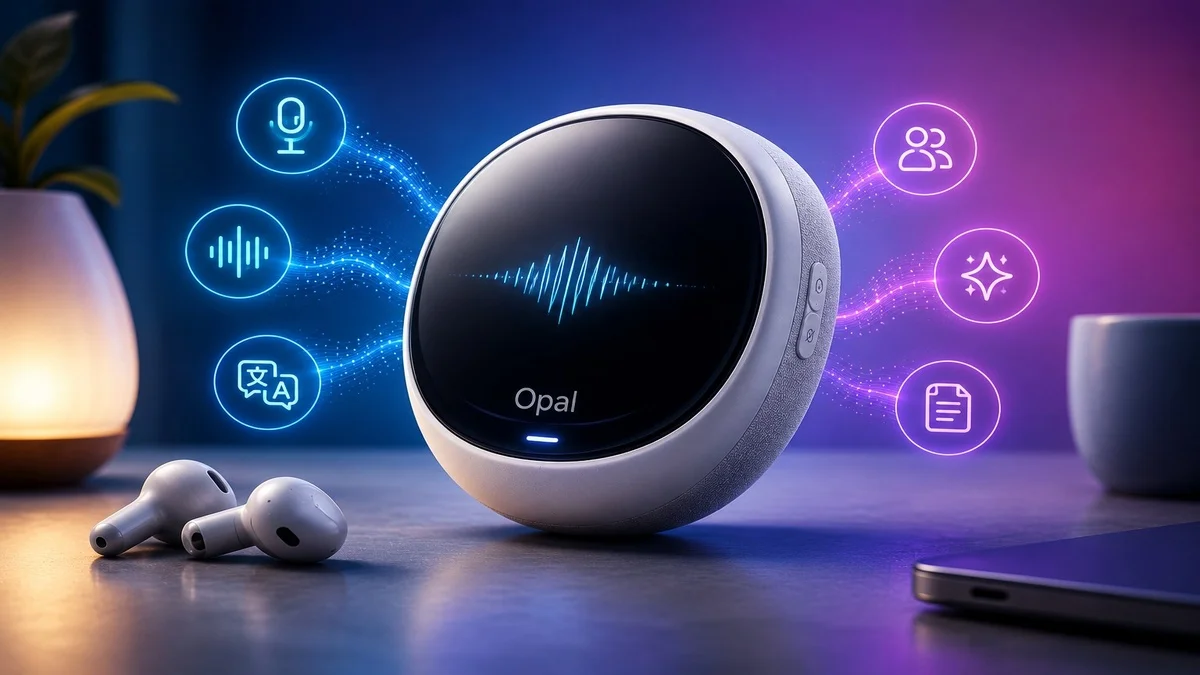
Opal AI Audio Gadget vs Humane AI Pin and Rabbit R1
The Opal AI audio gadget will likely be compared with Humane AI Pin and Rabbit R1. Those devices promised new AI experiences, but many users felt they were limited, expensive or not useful enough compared with smartphones.
Opal may avoid some of those mistakes by focusing on one clear product category first. An audio gadget could be easier to understand than an all-in-one AI replacement device.
However, Opal still faces the same big challenge: the device must offer something better than a phone app. If users can do the same task on their smartphone, they may not want another gadget.
Why AI Hardware Is So Hard to Build
AI hardware is difficult because the device must combine good design, strong software, reliable AI, privacy protection, battery life and a clear reason to exist.
A smartphone already has a screen, microphone, speaker, camera, apps and internet connection. Therefore, any AI gadget must prove why it deserves a place beside the phone.
This is why many AI hardware products fail. They create excitement at launch, but users stop using them when the device does not fit naturally into daily life.
Opal’s challenge is to make AI hardware feel useful, not experimental.
AI Audio Gadget Features Users May Expect
The exact feature list is not confirmed yet, but an AI audio gadget could support several useful tasks. It may help with voice conversations, meeting summaries, reminders, translations, personal assistance or hands-free answers.
Audio is a strong direction because voice feels natural. Many users already speak to assistants, dictate messages, listen to podcasts and join calls throughout the day.
If Opal builds the device well, it could become useful at a desk, in a home office or while working. However, the final value will depend on how reliable and simple the product feels.
Why Audio Could Be the Best Start for AI Hardware
Audio could become one of the most important parts of AI hardware. Voice is fast, hands-free and easy to use when a screen is not convenient.
An AI audio device could support conversations, summaries, meeting notes, translations, reminders or personal assistance. If built well, it could become useful without asking users to stare at another display.
This is why Opal’s audio-first direction makes sense. Audio may be a better starting point for AI hardware than a tiny screen or wearable camera.
What Makes Opal AI Hardware Different?
Opal’s strongest advantage may be design. The company became known for premium webcams that looked and felt different from typical computer accessories.
If Opal brings that same design focus to AI hardware, it could attract users who care about how devices look, feel and fit into daily life.
Another advantage is patience. Reports suggest Opal is taking a more measured approach instead of overpromising. That could help the company avoid the hype trap that hurt earlier AI gadgets.
How the Opal AI Audio Gadget Fits the AI Gadget Trend
The Opal AI audio gadget is part of a bigger movement toward AI-powered hardware. Microsoft is exploring agent-first devices with Project Solara, OpenAI has shown interest in personal AI hardware, and several startups are trying to build the next major device category.
You can read our Mobile Verse guide on Microsoft Project Solara to see how AI gadgets may move beyond normal apps and screens.
Together, these stories show that companies are looking for the next step after smartphones. However, no one has fully solved the AI hardware problem yet.
Could AI Audio Gadgets Replace Phones?
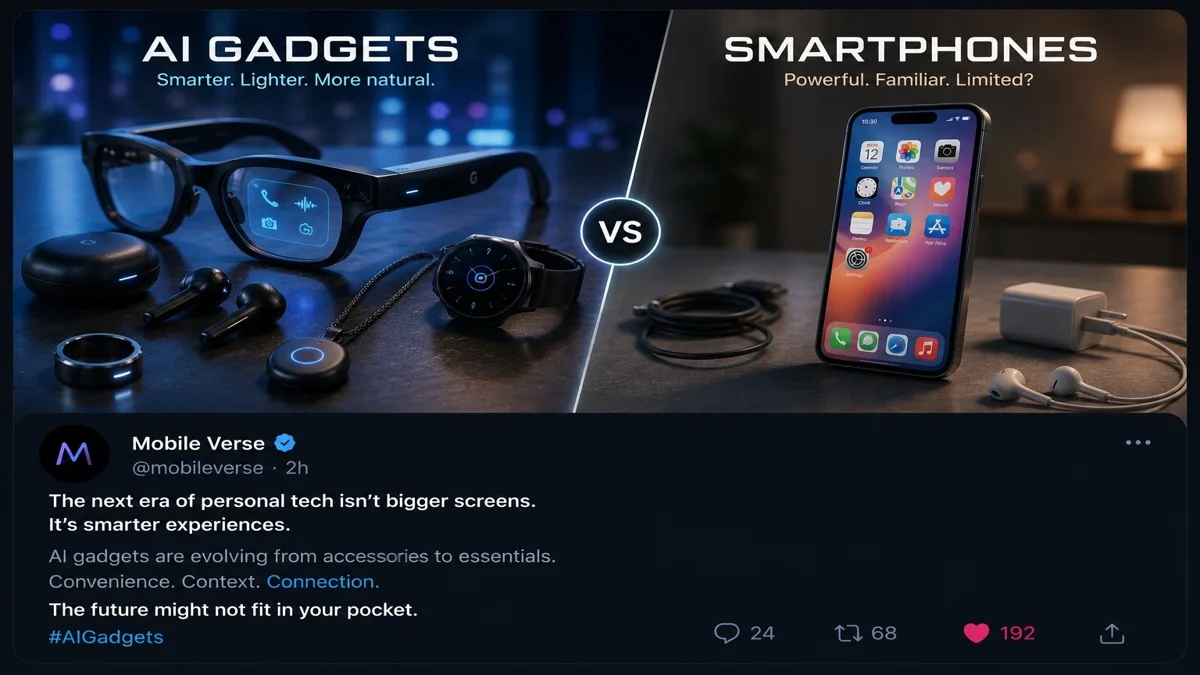
AI audio gadgets are unlikely to replace phones soon. Smartphones are still too powerful, flexible and essential for daily life.
However, an audio-focused AI device could reduce the need to pick up a phone for certain tasks. For example, users may ask questions, take notes, control devices, manage reminders or summarise information by voice.
This makes audio gadgets more like companions than replacements. They may work best when they support the phone rather than trying to replace it.
Opal AI Audio Gadget and OpenAI’s Hardware Ambitions
OpenAI’s involvement makes this story more important. The company has already shown interest in consumer AI hardware, including its separate work with Jony Ive and LoveFrom.
That means Opal may be part of a wider move where AI companies want their software to live in dedicated devices, not only laptops and phones.
However, reports say Opal can still work with different AI labs and keeps rights to its technology and designs. That could allow the product to support multiple AI models or partnerships in the future.
Samsung’s Role in the AI Hardware Future
Samsung’s involvement is also interesting because it is one of the world’s biggest consumer electronics companies. Samsung understands phones, wearables, TVs, audio devices and smart home products.
If Samsung is backing Opal, it suggests that major hardware companies are watching the AI gadget space carefully. Samsung may not need Opal to build its own AI devices, but it can learn from emerging hardware ideas.
This also shows that AI hardware is no longer a small niche. Big companies are now investing in the next wave.
Privacy Questions Around AI Audio Devices
Privacy will be one of the biggest concerns around any AI audio gadget. A device built around sound may involve microphones, voice data, conversations or personal commands.
Users will want clear answers. Does the device listen all the time? Is audio processed locally or in the cloud? Can users delete recordings? What data does the AI model receive?
These questions matter because trust is essential for audio devices. If users do not feel safe, they will not place an AI microphone in their home, office or bag.
What Opal Must Get Right
Opal must get several things right if the audio gadget is going to succeed.
First, the device needs a clear purpose. It cannot be another vague AI gadget that tries to do everything. Secondly, the AI must be fast, reliable and useful in normal situations.
In addition, Opal needs strong privacy controls, good battery life, high-quality audio and simple setup. Price will also matter because users may be careful after previous AI hardware disappointments.
If Opal solves these problems, it could have a real chance.
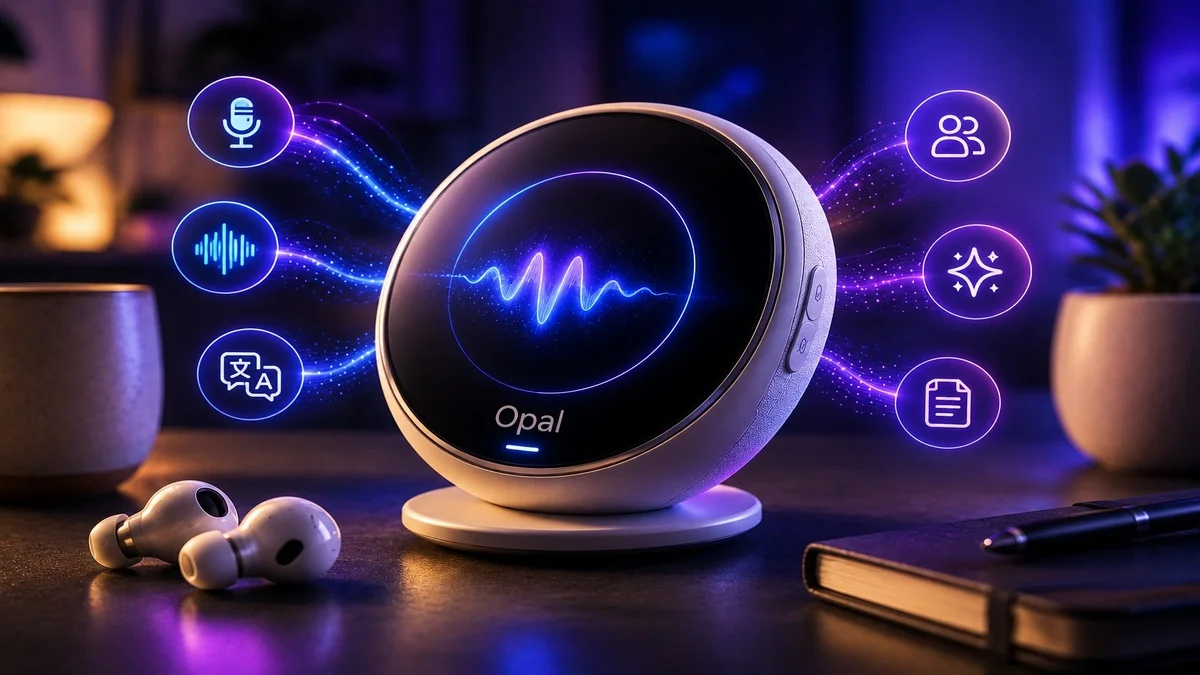
When Could the Opal AI Audio Gadget Launch?
Reports suggest Opal’s first AI-powered audio product could launch within the next few months. However, the company has not confirmed full details about pricing, design, features or availability.
That means users should treat the launch timeline as early reporting rather than final product information.
Still, the news is worth watching because Opal plans to release more products after the first audio device. If the first launch goes well, the company could become an important name in AI hardware.
Why This AI Audio Device Matters for Mobile Verse Readers
This news matters for Mobile Verse readers because AI gadgets are becoming one of the most exciting future-tech categories. Phones are still central, but companies are now trying to build devices that make AI more natural and accessible.
Opal’s move also shows that the next AI hardware winner may not come from a traditional smartphone brand. It could come from a design-focused startup with strong AI backing.
For readers interested in future devices, AI assistants and next-generation gadgets, Opal is a company worth following.
Final Thoughts on the Opal AI Audio Gadget
The Opal AI audio gadget could be an important test for the future of AI hardware. With backing from OpenAI, Samsung and other major investors, Opal has the money and attention needed to build something serious.
However, success will depend on usefulness, privacy, design and whether the device solves a real daily problem. The AI gadget market has already seen big promises and disappointing results.
Overall, Opal’s audio-first approach feels more realistic than trying to replace the smartphone overnight. If the company delivers a polished, practical and trustworthy device, it could become one of the most interesting AI hardware launches of the year.
FAQs
What is the Opal AI audio gadget?
The Opal AI audio gadget is an upcoming AI-powered device from Opal Electronics, a startup known for premium webcams.
Is Opal backed by OpenAI?
Yes, reports say OpenAI led Opal’s $40 million Series B funding round, with Samsung and other investors also involved.
Is the Opal AI audio gadget a smart speaker?
That is not confirmed yet. Reports describe it as an audio-focused AI gadget, but Opal has not revealed the full product design.
When will Opal launch its AI audio product?
Reports suggest the first AI audio product could launch within months, but exact timing, pricing and availability are not confirmed.
Could Opal’s AI gadget replace smartphones?
No, it is unlikely to replace smartphones soon. It may work better as a companion device for voice, audio and AI assistance.