AI Wearables 2026: Smart Glasses, Pendants and Audio Gadgets Explained
 By Inflix
 AI wearables 2026 could become one of the biggest future-tech trends of the year. Instead of keeping artificial intelligence inside phone apps or laptops, companies are now moving AI into smart glasses, pendants, audio gadgets and other devices people can wear or keep nearby.
This shift matters because AI is becoming more personal. A wearable device can listen, see, respond, translate, summarise and assist without asking users to constantly open an app. As a result, the next big tech battle may not only be about smartphones. It may be about which company builds the most useful AI companion.
For Mobile Verse readers, this trend is important because it connects many recent stories, including Meta AI glasses, Google Gemini glasses, Opal’s audio gadget and Microsoft Project Solara.
What Are AI Wearables 2026?
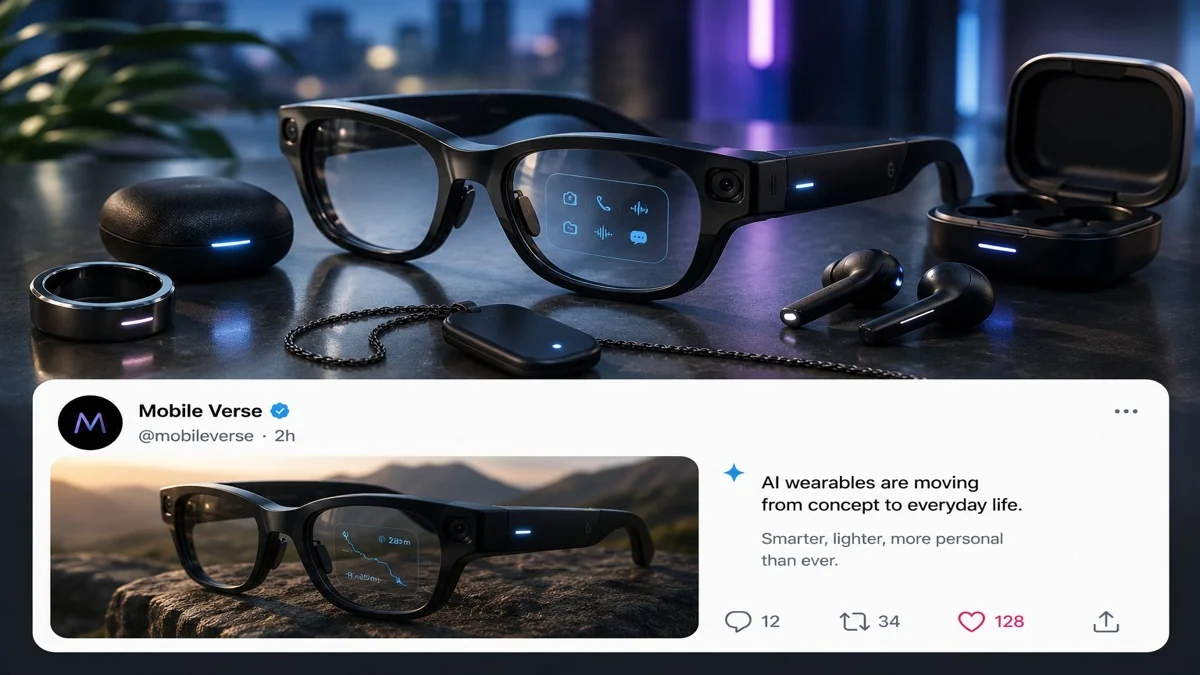
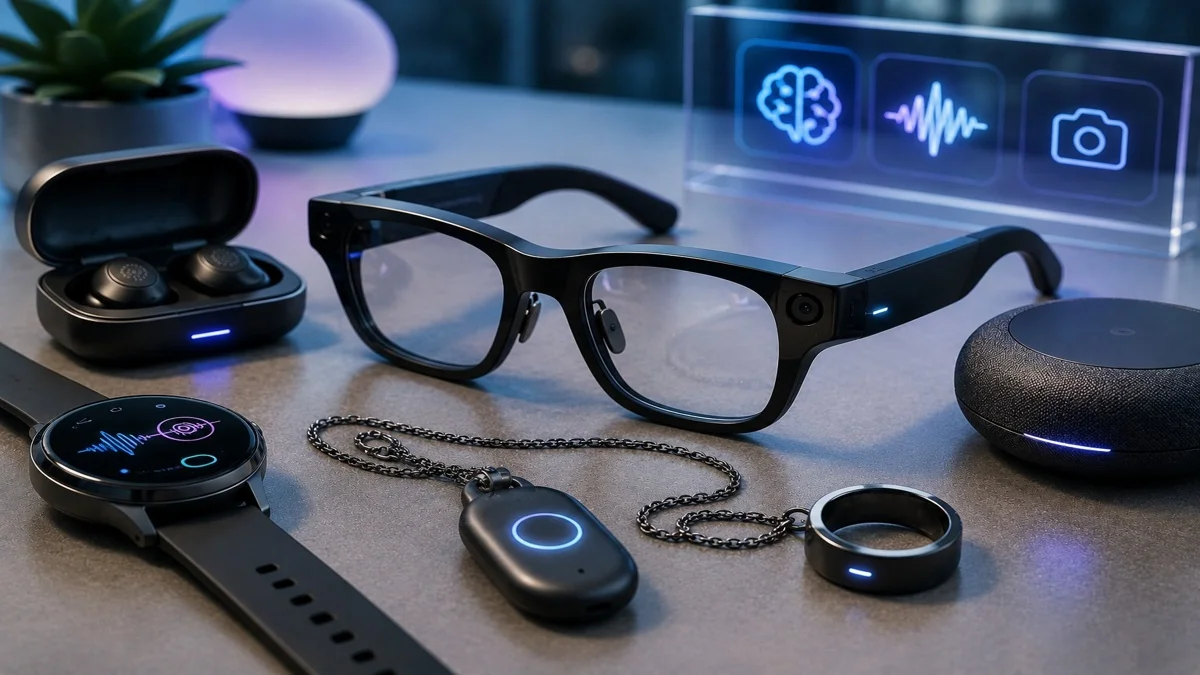
AI wearables 2026 are smart devices that use artificial intelligence to help users through voice, audio, camera input, sensors or real-time context. These devices can include smart glasses, AI pendants, earbuds, badges, rings, watches and audio gadgets.
Unlike normal wearables, AI wearables are not only focused on notifications or health tracking. Instead, they aim to act like personal assistants that can understand what users say, hear or see.
For example, smart glasses may help identify objects or translate text. An AI pendant may record and summarise conversations. An audio gadget may answer questions or organise voice notes.
Why AI Wearables 2026 Matter
AI wearables 2026 matter because they show how technology is moving beyond screens. Smartphones are powerful, but they still require users to unlock the device, open an app and type or tap.
Wearable AI could make assistance faster. A user may simply speak, look at something or tap a small device to get help.
This matters for travel, work, shopping, meetings, accessibility and daily productivity. If these devices become reliable, they could reduce how often people need to pick up their phones.
For official context around the wider wearable direction, Google has shared details about Android XR and Gemini-powered intelligent eyewear, including how future glasses can deliver real-time help through AI.
Smart Glasses Are Leading the Wearable AI Trend
Smart glasses are one of the most exciting parts of wearable AI. They can combine cameras, microphones, speakers, displays and AI assistants in a device that looks close to normal eyewear.
The main advantage is visual context. If AI glasses can see what the user sees, they can answer questions about real-world objects, signs, places, documents and products.
That makes smart glasses different from phones. A phone needs to be pulled out and aimed. Glasses are already facing the world from the user’s point of view.
Meta AI Smart Glasses and Wearable Expansion
Meta is one of the strongest companies in the AI glasses space because Ray-Ban Meta glasses already created mainstream interest. Reports now suggest Meta is working on more smart glasses models and an AI pendant as part of a wider wearable push.
Meta’s direction matters because the company is not treating glasses as a small experiment anymore. Instead, it appears to be building a broader wearable ecosystem with consumer and workplace use cases.
You can read our Mobile Verse post on Meta AI smart glasses to see how Meta’s roadmap could expand with new wearables.
Google Gemini AI Glasses and Android XR
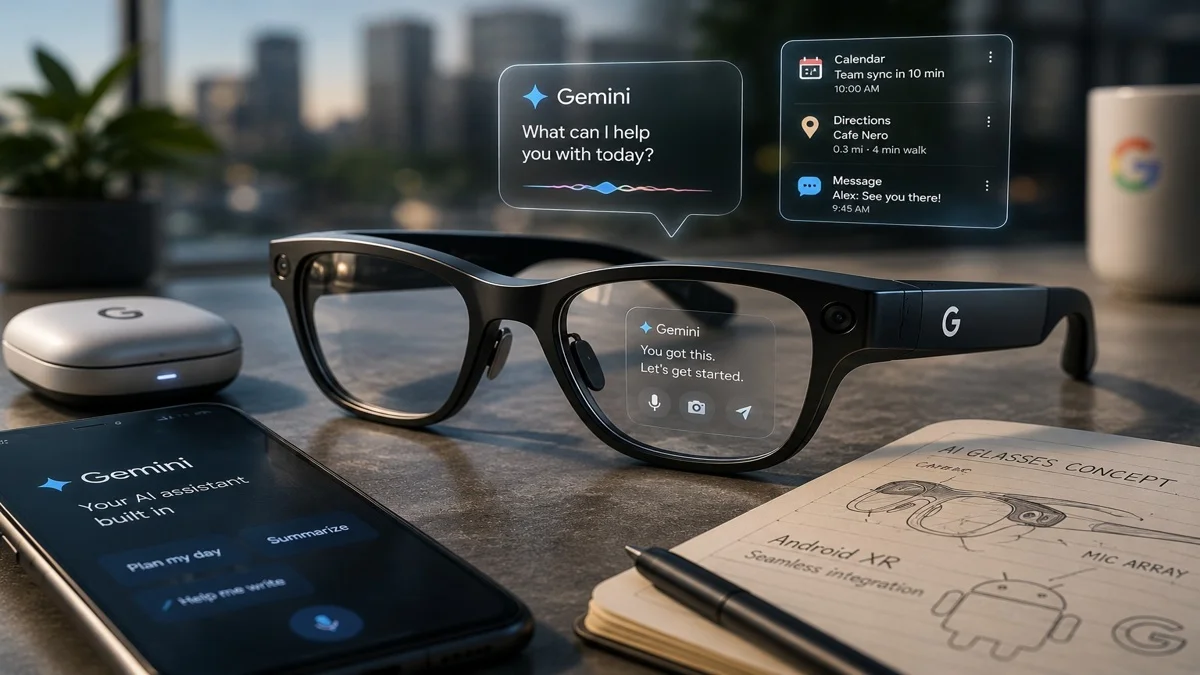
Google is also entering the next stage of AI wearables through Gemini and Android XR. This could make future Android-based glasses more useful for visual search, translation, navigation and real-time assistance.
Google’s strength is its ecosystem. Gemini, Search, Maps, Android and YouTube could all become useful through glasses if the experience works well.
You can read our full guide on Google Gemini AI glasses to understand how Android wearables may evolve next.
AI Pendants Could Become Personal Assistants
AI pendants are another growing wearable category. These devices can clip onto clothing or hang around the neck, giving users access to voice-based assistance without using glasses.
Meta is reportedly developing an AI-powered pendant that could build on its acquisition of Limitless, a startup known for clip-on devices that record and transcribe conversations. TechCrunch reports that Meta may begin testing the pendant next year.
The main use case is productivity. An AI pendant could help record meetings, summarise conversations, create reminders or organise daily notes.
AI Audio Gadgets Are Also Emerging
Not every AI wearable needs a camera or display. Audio-focused gadgets may become popular because voice is natural, private enough for some tasks and easy to use hands-free.
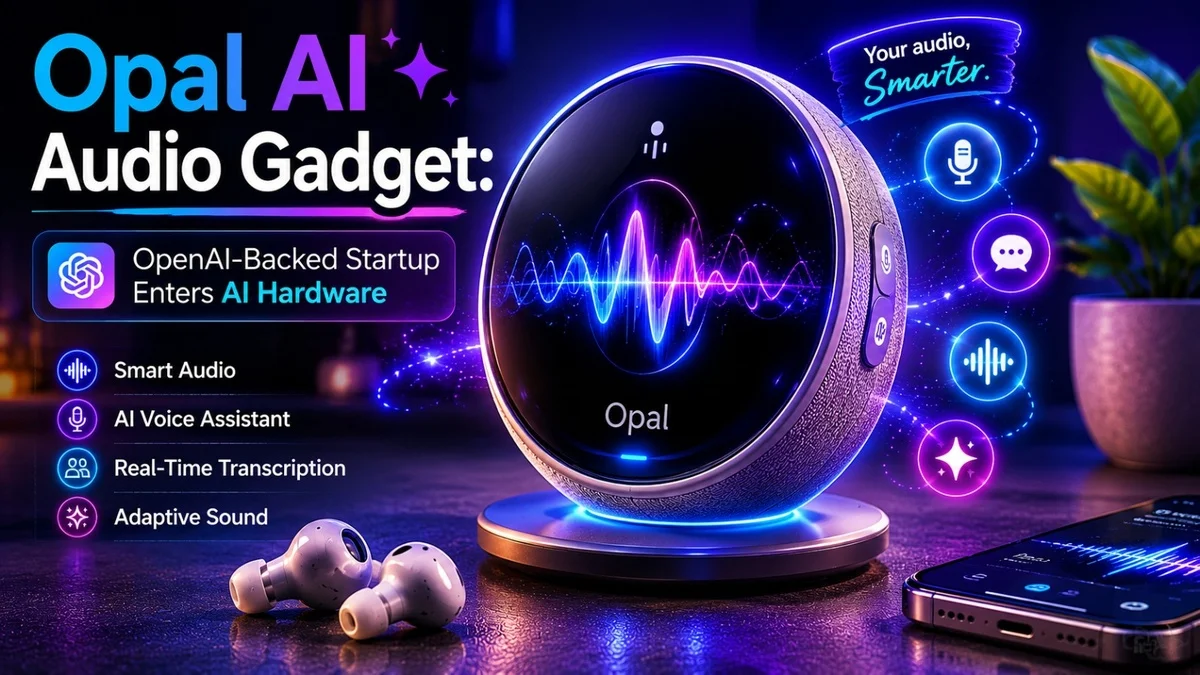
Opal is one startup moving into this area. The company is known for premium webcams, but it is now working on an AI-powered audio device backed by major investors.
You can read our article on the Opal AI audio gadget to see why audio may be one of the most realistic starting points for AI hardware.
Workplace AI Wearables Could Grow First
AI wearables may grow faster in workplaces than in normal consumer markets. Businesses often have clearer reasons to use these devices, such as meeting notes, training, customer support, logistics and hands-free instructions.
For example, a worker may use smart glasses for step-by-step guidance. A manager may use an AI pendant to summarise meetings. A field worker may use a wearable assistant to access information without holding a phone.
Meta is reportedly exploring “Wearables for Work,” while Microsoft’s Project Solara is also focused on agent-first hardware concepts for workplaces and businesses.
Microsoft Project Solara and Agent Devices
Microsoft Project Solara is another important part of the AI wearable and gadget trend. It is an Android-based platform designed for AI agent devices rather than normal app-first devices.
This matters because it shows how big companies are thinking beyond phones, laptops and tablets. Microsoft wants devices where AI agents become the main interface.
You can read our Mobile Verse guide on Microsoft Project Solara to understand how agent-first devices may change future gadgets.
AI Wearables vs Smartphones
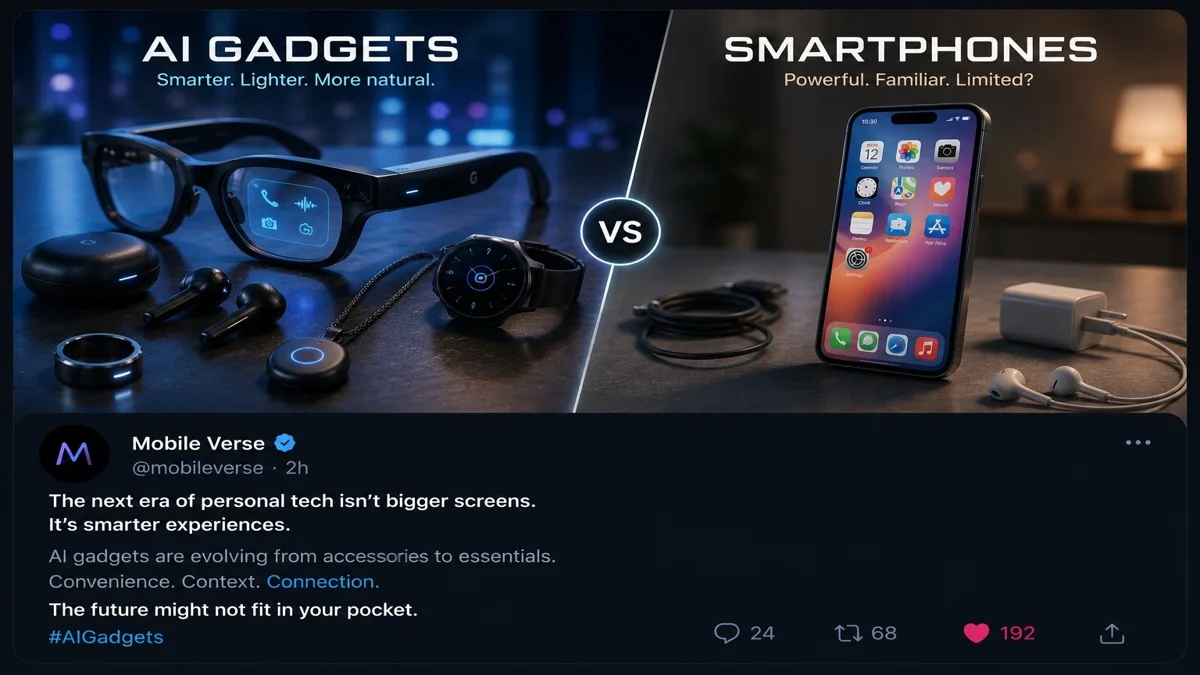
AI wearables are unlikely to replace smartphones soon. Phones are still more powerful, more flexible and easier for complex tasks.
However, wearables can reduce phone use for quick actions. For example, users may ask a wearable for directions, translation, reminders, summaries or quick answers.
That means the first successful AI wearables may work as companions, not replacements. They will support the phone rather than trying to beat it.
AI Wearables vs Cyberdecks
AI wearables and cyberdecks represent two very different technology trends. Wearables focus on smart assistance, automation and convenience. Cyberdecks focus on DIY control, repairability and custom computing.
Both trends are important because they show that people want alternatives to normal phones and laptops. Some users want more AI help, while others want more ownership and creativity.
You can read our article on cyberdecks to understand the DIY side of future tech.
Why Smart Glasses Could Win
Smart glasses may become the most important AI wearable because they combine sight, sound and voice. They can understand what users are looking at and respond with useful information.
This is powerful for travel, accessibility, learning, shopping and work. For example, glasses could translate a menu, identify a product, explain a sign or help with navigation.
However, the design must be good. If the glasses look awkward or feel heavy, users may not wear them every day.
Why AI Pendants Could Also Succeed
AI pendants may succeed because they are easier to wear than glasses. Some users may not want cameras on their face, but they may accept a small pendant or badge.
Pendants could be useful for voice notes, meeting summaries, reminders and hands-free questions. They may also work well in offices, schools, events and customer-service settings.
However, privacy will be a major issue. People nearby may not always know when a pendant is recording or processing audio.
Privacy Is the Biggest Challenge
Privacy is the biggest challenge for AI wearables 2026. These devices may include cameras, microphones, sensors and always-ready AI features.
Users will want clear answers. When is the device recording? Where is the data processed? Can recordings be deleted? Can people nearby see when the device is active?
Without clear privacy controls, users may reject AI wearables even if the technology is impressive.
Battery Life and Comfort Matter
Battery life and comfort will decide whether people use AI wearables daily. A smart glasses device may be powerful, but if it dies in a few hours or feels heavy, users will stop wearing it.
The same applies to pendants and audio gadgets. They must be light, simple and reliable. Charging should be easy, and the device should not feel annoying during normal use.
This is why hardware design is just as important as AI software.
What Features Users May Expect
Users may expect AI wearables to support real-time translation, voice assistance, meeting summaries, camera-based search, reminders, navigation, and hands-free calling.
Some devices may focus on visual AI, while others focus on audio. Business devices may include workplace tools, while consumer devices may focus on lifestyle, travel, and communication.
The winning products will be the ones that solve real problems instead of only offering novelty.
Why AI Wearables Failed Before
AI hardware has already had some difficult launches. Devices like Humane AI Pin and Rabbit R1 showed that hype alone is not enough.
A wearable must be faster, easier or more useful than a phone. If it cannot do that, users may not keep using it.
This is why 2026 will be important. Companies must prove that AI wearables are not just demos. They must become practical daily tools.
How AI Wearables Could Help Accessibility
AI wearables could become very useful for accessibility. Smart glasses may help users understand surroundings, read text aloud, translate signs or identify objects.
Audio devices may support reminders, voice controls and conversation summaries. For people with different mobility, vision or hearing needs, hands-free AI could become genuinely helpful.
This is one of the most important positive uses of wearable AI if companies design the tools carefully.
AI Wearables 2026 and the Future of Search
Search could change if AI wearables become mainstream. Instead of typing a query, users may look at an object and ask a question.
This could search more visual, contextual and immediate. It also explains why Google, Meta and other companies are investing in smart glasses.
The future of search may not only happen in browsers. It may happen through devices that understand what users see and hear.
What This Means for Mobile Verse Readers
This trend matters for Mobile Verse readers because wearable AI could become the next major consumer tech category after smartphones and smartwatches.
It also connects with phones. Most wearables will still depend on mobile apps, cloud accounts, Bluetooth, Android or iOS support and AI services.
That means Mobile Verse should keep covering these devices as they move from early experiments to real products.
Final Thoughts
AI wearables 2026 are not just another gadget trend. They show a bigger shift in how people may interact with technology. Smart glasses, AI pendants and audio gadgets all aim to make AI more natural, faster and closer to daily life.
However, the category still has major challenges. Privacy, comfort, battery life, price and usefulness will decide which devices succeed.
Overall, AI wearables are worth watching because they could become the next layer of personal technology. Phones will not disappear, but smart glasses, pendants and audio gadgets may change how often we need to use them.
FAQs
What are AI wearables 2026?
AI wearables 2026 are smart devices such as glasses, pendants and audio gadgets that use AI to provide voice, visual and real-time assistance.
Are AI smart glasses useful?
AI smart glasses can be useful for translation, visual search, navigation, accessibility and hands-free help, but comfort and privacy are important.
What is an AI pendant?
An AI pendant is a wearable device that can use microphones and AI to record, summarise, remind or assist users through voice-based features.
Will AI wearables replace smartphones?
Not soon. AI wearables are more likely to work as companion devices that reduce phone use for quick tasks.
What is the biggest problem with AI wearables?
Privacy is the biggest issue because many AI wearables use cameras, microphones or sensors that may collect sensitive information.