Microsoft Project Solara: Is This the Future of AI Gadgets?
 By Inflix
 Microsoft Project Solara could be one of the most interesting future-tech announcements of 2026. Instead of launching another normal app, Microsoft is working on a new platform designed for AI-powered agent devices.
That means Project Solara is not just about phones, tablets or PCs. It is about a new type of gadget that may use AI agents to handle tasks, answer questions and help users without relying on traditional app screens.
For Mobile Verse readers, this matters because the future of technology may not be limited to smartphones. AI gadgets, smart displays, wearable assistants and agent-first devices could become the next big category.
What Is Microsoft Project Solara?
Microsoft Project Solara is a new platform for AI agent devices. It is based on Android, but it is not designed like a normal Android phone. Instead, it is built for smaller AI-powered gadgets that can run agents and help users complete tasks.
In simple words, Project Solara is Microsoft’s attempt to create a system for devices where AI agents are the main experience. Instead of opening apps one by one, users may interact with an assistant that understands tasks and connects services in the background.
This is why Project Solara is being described as an “agent-first” platform. It focuses on AI help rather than traditional app menus.
Why Microsoft Project Solara Matters
Microsoft Project Solara matters because it shows a possible shift in computing. For years, people used apps as the main way to do things on phones and computers. They opened one app for messages, another for shopping, another for weather and another for work.
However, AI agents could change that. Instead of asking users to jump between apps, an AI agent may understand the task and do more of the work directly.
For example, a user may ask an AI gadget to check the weather, find a product, summarise a meeting or create a reminder. The device may not need a large app grid because the agent becomes the main interface.
Why Microsoft Chose Android Instead of Windows
One of the most surprising parts of Project Solara is that it is based on Android, not Windows. That makes sense because AI gadgets may need to be small, low-power and flexible.
Android already works across many types of devices, including phones, tablets, TVs, car systems and smart displays. Therefore, it may be easier to adapt for new AI hardware than a full Windows system.
Reports say Project Solara uses Microsoft’s Android-based device ecosystem platform, allowing it to run on low-power gadgets while still supporting enterprise management and security. This could make it attractive for companies that want AI hardware for workplaces, retail stores or customer support.
Agent-First Devices vs App-First Devices
The biggest idea behind Project Solara is the move from app-first devices to agent-first devices. This is important because it changes how users interact with technology.
An app-first device expects users to know which app to open. An agent-first device lets users ask for a result. The AI agent then decides how to complete the task.
For example, instead of opening a calendar app, email app and maps app separately, a user could ask the agent to plan a meeting. The agent may check availability, suggest a time, prepare notes and create a reminder.
That kind of experience could make technology feel more natural. However, it also depends heavily on trust, accuracy and privacy.
Microsoft’s AI Gadget Concepts
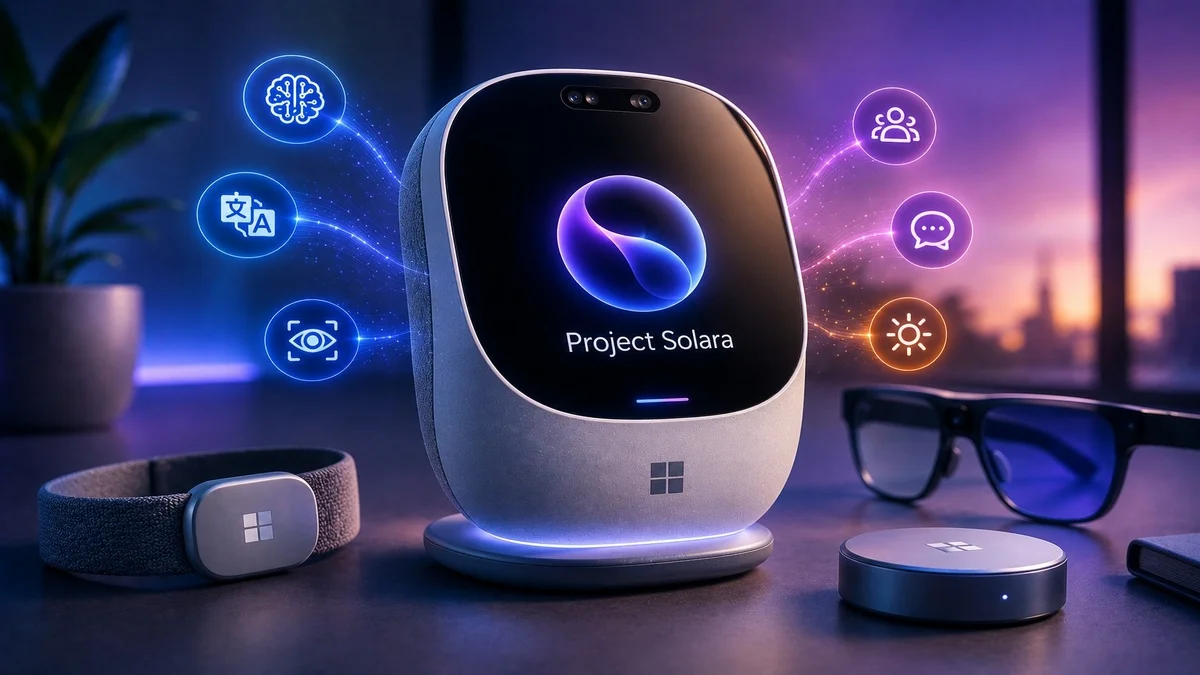
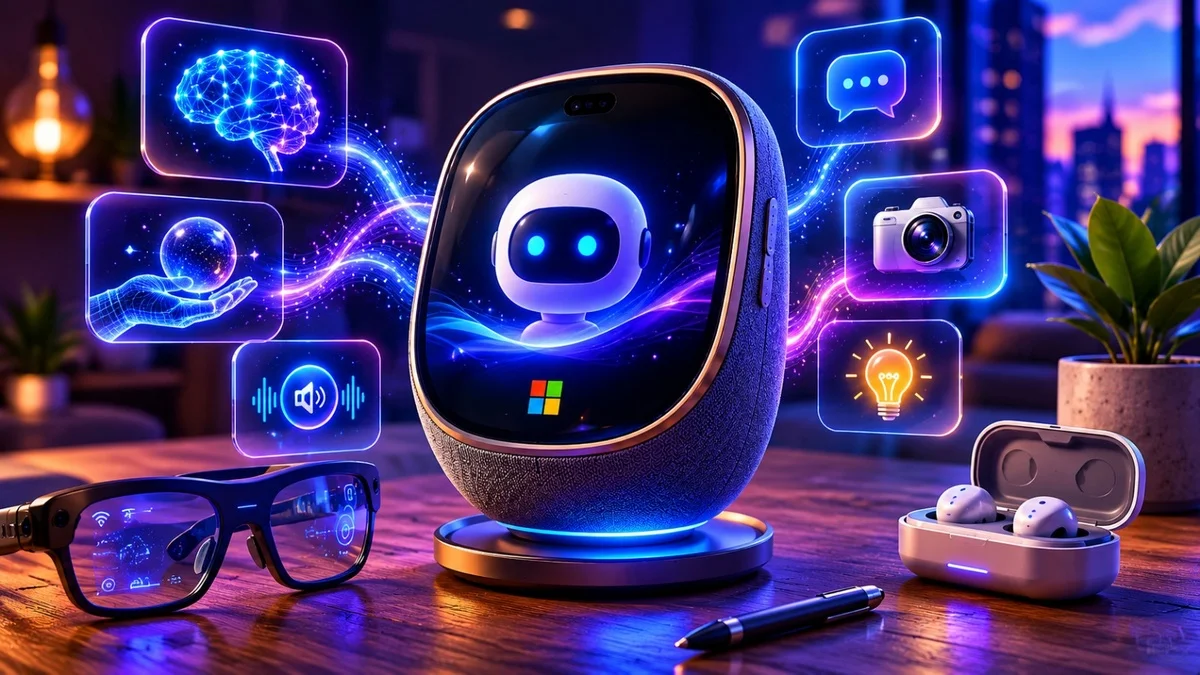
Microsoft reportedly showed concept devices to demonstrate how Project Solara could work. These included a desk-style device similar to a smart display and a wearable badge-style device for work environments.
The desk device could work like an AI assistant on a table, helping users with tasks, information and agent interactions. Meanwhile, the badge concept could support workplace use cases such as identity, meetings, transcription or quick access to AI help.
These devices are not necessarily products that users can buy right now. Instead, they are reference concepts that show hardware partners what Project Solara could power.
Could AI Gadgets Replace Smartphone Apps?
Project Solara does not mean smartphones will disappear soon. Phones are still the most important personal tech device for most people. However, AI gadgets may reduce how often users need to open individual apps.
For example, a small AI device could answer questions, manage simple tasks, control smart home devices, support work meetings or connect to business tools. If the agent works well, users may spend less time tapping through menus.
This is why Project Solara is interesting. It points toward a future where devices are built around tasks and conversations instead of app icons.
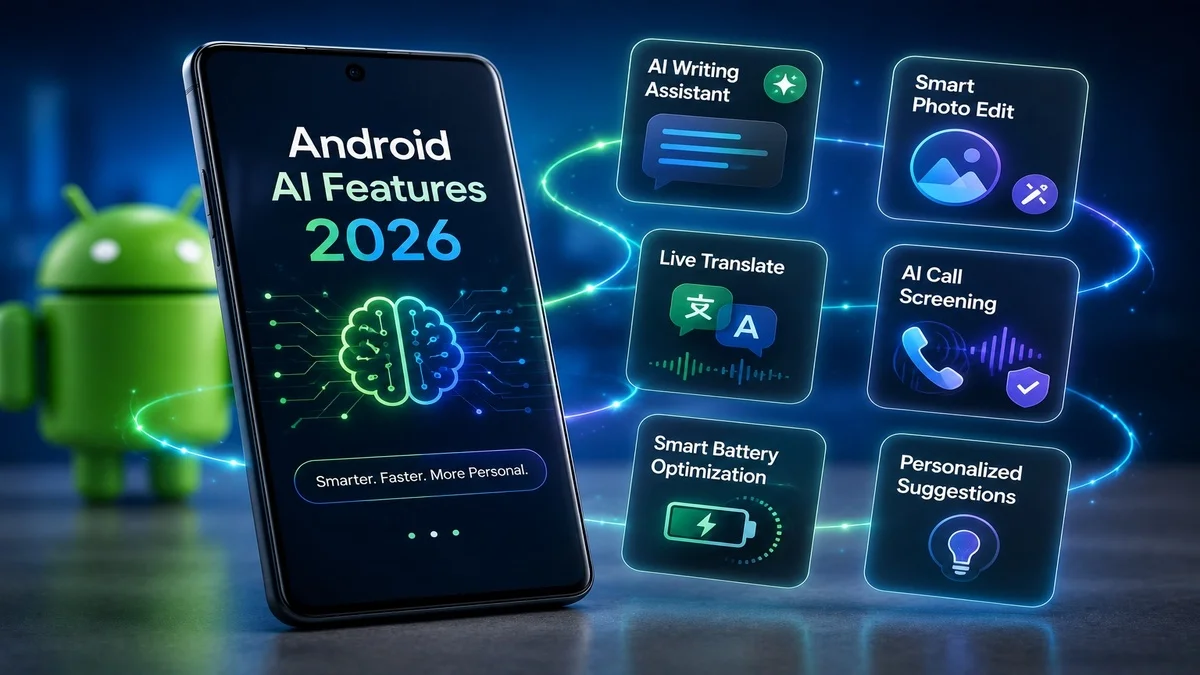
AI gadgets may not replace phones yet, but they connect closely with the future of mobile AI. We recently explained how Android AI features 2026 are already changing search, calls, photos and phone safety.
Microsoft Project Solara and Workplace AI
Microsoft is likely focusing heavily on workplace use cases. That makes sense because Microsoft already has strong enterprise tools, including Microsoft 365, Teams, Copilot, Defender and Intune.
A Project Solara device could support office tasks, meeting notes, customer service, retail support or employee workflows. In a workplace, AI agents may be useful because they can connect with company data and help teams move faster.
However, enterprise AI devices need strong security. Businesses will want clear controls over data, permissions, recordings and access. Therefore, Project Solara’s success may depend on how well Microsoft handles trust and management.
AI Wearables Could Become More Common
The wearable badge concept is one of the most attention-grabbing parts of Project Solara. AI wearables are becoming a hot area because companies want devices that can help users without requiring a full phone screen.
A badge-style device could record notes, identify tasks, assist during meetings or help workers access information quickly. In retail, healthcare or logistics, this type of AI tool could support staff without requiring them to hold a phone.
However, wearable AI also raises privacy questions. A device with cameras, microphones or sensors must be handled carefully, especially in workplaces and public spaces.
How Project Solara Connects With Microsoft Copilot
Project Solara also fits Microsoft’s wider AI strategy. Microsoft has spent years building Copilot into Windows, Microsoft 365, Edge, Teams and developer tools.
Project Solara takes that idea beyond software and into physical devices. Instead of using Copilot only inside a computer or app, users may interact with AI through dedicated gadgets.
That could help Microsoft compete in a future where AI assistants are not tied to one screen. If agents become the main interface, Microsoft will want its AI tools to work across many types of hardware.
Project Solara and the Future of Android-Based Devices
Project Solara also shows how flexible Android has become. Android is no longer only a smartphone operating system. It can power tablets, cars, TVs, foldables, smart displays and now possibly AI agent gadgets.
This makes the choice of Android important. Microsoft may be using Android because it gives hardware partners a familiar and adaptable base for building devices quickly.
It also shows that the next big AI device category may not require a completely new operating system. Instead, companies may modify existing platforms to support agent-first experiences.
AI Agents Could Change How We Use Technology
AI agents are different from normal chatbots. A chatbot usually answers questions, while an agent can take action across tools and services.
For example, an AI agent may schedule a meeting, book a service, organise information or complete a workflow. That is why many companies are investing heavily in agent technology.
Project Solara is important because it gives AI agents a possible hardware home. Instead of living only inside apps, agents may live inside dedicated devices that are always ready to help.
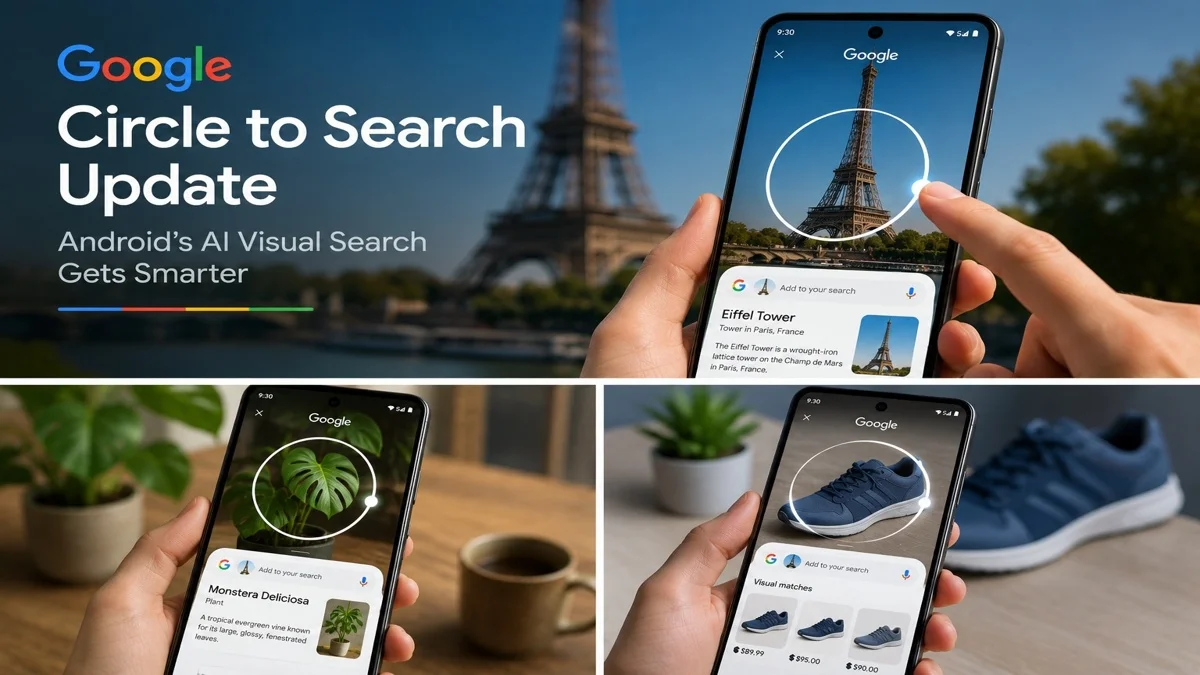
This agent-first idea also connects with Google’s growing Android AI tools. For example, Circle to Search update shows how phones are becoming more visual, more conversational and easier to use without opening separate apps.
Project Solara vs Rabbit R1 and Humane AI Pin
Project Solara will naturally remind many readers of earlier AI gadgets like Rabbit R1 and Humane AI Pin. Those devices tried to create a new AI-first hardware category, but they also showed how difficult the market can be.
The challenge is simple: an AI gadget must be more useful than a smartphone. If it cannot do enough, users may not want to carry or buy another device.
Microsoft may have an advantage because it can focus on enterprise use cases first. A workplace AI device may have a clearer purpose than a consumer gadget trying to replace a phone.
Why AI Gadgets Are Still Risky
AI gadgets sound exciting, but they are not guaranteed to succeed. Many users already have phones, smartwatches, earbuds and laptops. Adding another gadget must solve a real problem.
There are also concerns around battery life, accuracy, privacy, price and daily usefulness. If the device only does what a phone can already do, users may lose interest quickly.
Therefore, Project Solara needs strong use cases. It must show that agent-first devices can save time, improve workflows or offer help that normal phones cannot match.
Microsoft Project Solara and Privacy Questions
Privacy will be one of the biggest questions around Project Solara. AI agent devices may need access to conversations, calendars, emails, workplace tools or location data to be useful.
That creates a trust challenge. Users and companies will want to know what data is collected, where it is processed and how it is protected.
This is especially important for wearable badges and office devices. If a gadget can listen, record, identify people or summarise meetings, clear privacy controls are essential.
Could Project Solara Become a Consumer Product?
Right now, Project Solara appears more like a platform and concept direction than a finished consumer product. Microsoft may use it to guide hardware partners and business pilots before any mainstream device arrives.
That means users should not expect a Solara gadget to appear in stores immediately. However, the idea could influence future AI hardware from Microsoft and its partners.
If the platform works well in enterprise settings, consumer versions could follow later. Smart displays, earbuds, home assistants or wearable AI devices may all become possible.
Why This News Matters for Mobile Verse Readers
This news matters for Mobile Verse readers because it expands the conversation beyond phones. Smartphones are still central, but AI is pushing technology into new shapes.
Project Solara suggests that the next tech battle may not only be iPhone vs Android or Windows vs macOS. It may be about which company builds the best AI agent ecosystem.
Microsoft, Google, Meta, OpenAI and other companies are all exploring AI hardware and assistants. Therefore, Project Solara could become part of a much bigger shift in personal and workplace technology.
Final Thoughts
Microsoft Project Solara is an important signal for the future of AI gadgets. It shows that Microsoft is thinking beyond apps, PCs and traditional devices. Instead, the company wants to build a platform where AI agents can become the main way people interact with technology.
This does not mean AI gadgets will replace smartphones tomorrow. However, it does suggest that future devices may become more task-focused, conversational and intelligent.
Overall, Project Solara is worth watching because it could shape how AI assistants move from screens into real-world devices.
FAQs
What is Microsoft Project Solara?
Microsoft Project Solara is an Android-based platform designed for AI agent devices, including smart displays, workplace gadgets and wearable AI concepts.
Is Project Solara a new Microsoft phone?
No, Project Solara is not a normal phone. It is a platform for AI-powered gadgets that focus on agents instead of traditional apps.
Why is Microsoft using Android for Project Solara?
Android is flexible, familiar to hardware makers and suitable for smaller low-power devices, which makes it useful for AI gadgets.
Can Project Solara replace smartphones?
Not immediately. However, it could reduce the need to open apps for some tasks if AI agents become more useful.
When will Project Solara devices launch?
Microsoft has shown concept devices and pilot plans, but there is no confirmed mainstream consumer launch date yet.
For more details about the announcement, you can read The Verge’s report on Microsoft Project Solara, which explains the Android-based platform and Microsoft’s AI gadget concepts.