Google Gemini AI Glasses: Could Android Wearables Be Next?
 By Inflix
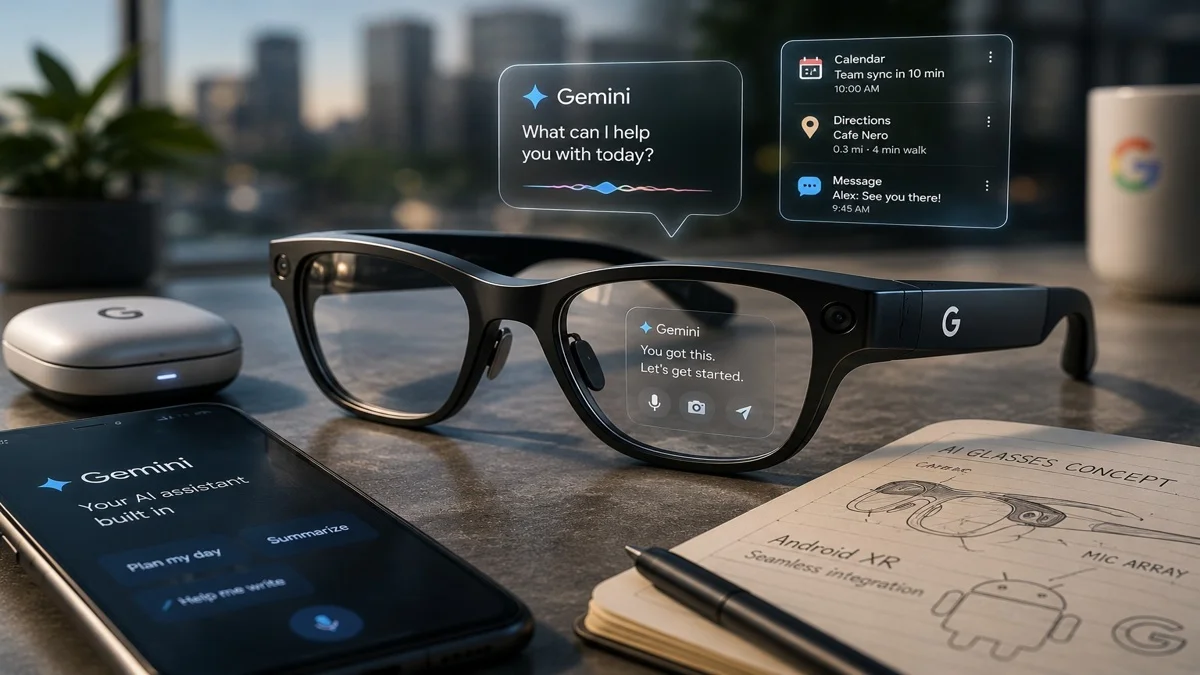
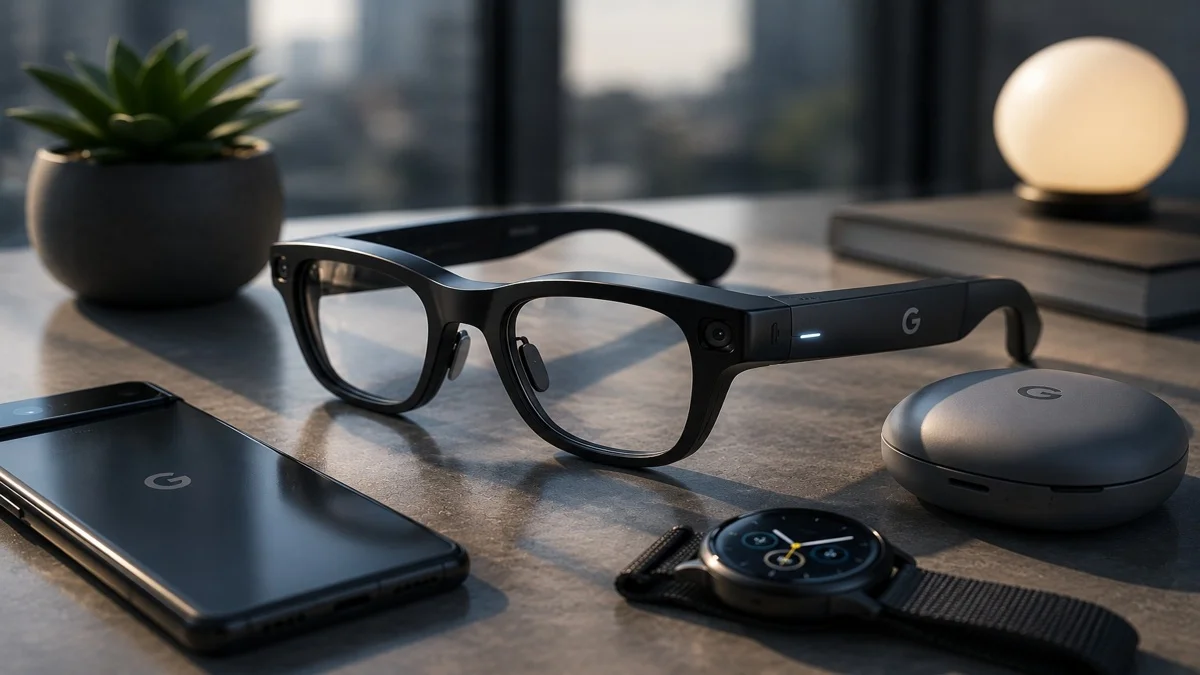
 Google Gemini AI glasses could become one of the most important wearable tech stories of 2026. After years of smart glasses experiments, Google is returning with a more practical approach built around Android XR, Gemini and real-time AI assistance.
This matters because smart glasses may finally be moving beyond simple cameras and notifications. With Gemini, future Android wearables could understand what users see, answer questions, translate information and provide hands-free help during daily life.
For Mobile Verse readers, this is a major topic because it connects Android, AI, smart glasses and the future of wearable devices.
What Are Google Gemini AI Glasses?
Google Gemini AI glasses are upcoming smart glasses powered by Google’s Gemini AI and Android XR platform. They are designed to help users through voice, audio, visual context and real-time AI responses.
Unlike older Google Glass, this new approach is not only about putting a tiny screen on your face. Instead, Google is focusing on practical AI assistance that can help users without interrupting what they are doing.
Google says its intelligent eyewear is meant to deliver help in the moment. That means users may be able to ask questions, understand surroundings, get directions, translate text or receive useful information while staying present.
For official details, Google has shared more about Android XR and Gemini-powered intelligent eyewear, including how future glasses can offer real-time help without taking users away from what they are doing.
Why Google Gemini AI Glasses Matter
Google Gemini AI glasses matter because wearable AI is becoming the next big tech battleground. Meta already has Ray-Ban Meta glasses, Apple is expected to move deeper into wearables, and Microsoft is exploring AI gadgets through Project Solara.
Google has a major advantage because it controls Android, Search, Gemini, Maps, YouTube, Gmail and many other services. If these tools work well through glasses, the experience could be more useful than a normal wearable.
For example, a user may look at a sign, product, document or landmark and ask Gemini for help. The glasses could then provide information without forcing the user to pull out a phone.
Android XR Is the Platform Behind the Glasses
Android XR is Google’s platform for extended reality devices, including headsets and smart glasses. Google built Android XR with Samsung and Qualcomm, which means the platform is designed for future hardware beyond phones.
This is important because smart glasses need more than a normal mobile app. They need camera support, voice input, low-power performance, spatial awareness, privacy controls and AI integration.
Android XR could become the foundation for a new generation of Android-powered wearables. If it succeeds, Google may give hardware makers a platform similar to what Android did for smartphones.
Gemini Could Make Smart Glasses More Useful
Gemini is the biggest reason these glasses could feel different from older smart glasses. Older devices often failed because they were awkward, limited or not useful enough for daily life.
Gemini can make glasses more practical by understanding voice, images, context and follow-up questions. A user might ask, “What building is this?” or “Translate this menu,” and the assistant could respond quickly.
This kind of multimodal help is where AI glasses make sense. They can see what the user sees and respond in a more natural way than a phone app.
Real-Time Visual Help Could Be the Key Feature
The most exciting part of Google Gemini AI glasses is real-time visual help. If the glasses can understand the user’s surroundings, they could become a personal assistant for the real world.
For example, users could get help reading signs, identifying objects, understanding products, checking travel information or learning about places around them.
This connects closely with Google’s wider visual search direction. You can read our guide on the Circle to Search update to see how Google is already making screen-based visual search smarter.
Translation and Travel Features
Translation could be one of the most useful features for Google’s AI eyewear. Travellers often need help with signs, menus, announcements and conversations.
With Gemini built into smart glasses, users may be able to get quick translations while looking at text or listening to speech. This could make travel easier and more natural than using a phone camera or translation app.
Google already has strong translation technology, so smart glasses could become a powerful travel assistant if the experience is fast and reliable.
Google Gemini AI Glasses vs Meta AI Smart Glasses
Gemini AI glasses will naturally be compared with Meta AI smart glasses. Meta has an early advantage because Ray-Ban Meta glasses are already popular and look more like normal eyewear.
However, Google has a different strength. Gemini, Android XR, Search and Maps could make Google’s glasses more useful for information, navigation and real-world understanding.
Meta may lead in social sharing and lifestyle appeal. Google may lead in search, Android integration and practical assistant features. You can read our Mobile Verse post on Meta AI smart glasses to compare both directions.
Could Android Wearables Be the Next Big Category?
Android wearables could become much bigger if smart glasses work well. Smartwatches are already useful for health, notifications and quick actions, but glasses can add visual AI.
That means future Android wearables may not only track steps or show alerts. They could understand what the user is seeing and provide help instantly.
This could open a new category for Android device makers. Samsung, Qualcomm and eyewear brands may play a major role if Android XR becomes a serious wearable platform.
Warby Parker and Gentle Monster Partnerships
Google has mentioned eyewear partners such as Warby Parker and Gentle Monster for its intelligent eyewear plans. This is important because smart glasses need to look normal enough for everyday use.
One reason older smart glasses struggled was design. If people feel awkward wearing them, they will not use them daily.
Fashion partnerships could help Google avoid that problem. Warby Parker can support mainstream eyewear appeal, while Gentle Monster can bring a more premium fashion angle.
This partnership could help Google build a stronger ecosystem instead of launching a single isolated product.
If Samsung creates Android XR glasses or related devices, it could bring the platform to millions of Android users more quickly. Qualcomm’s role could also help with performance, battery life and connectivity.
Hands-Free AI Could Change Daily Phone Use
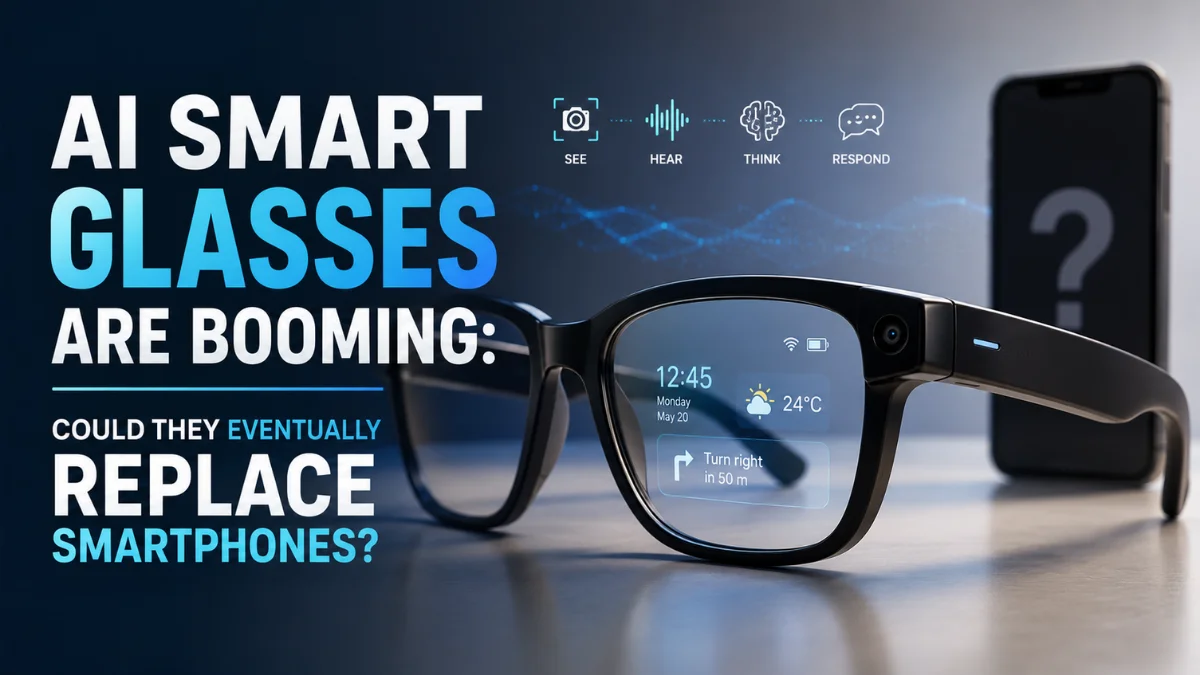
Google Gemini AI glasses may not replace phones immediately, but they could reduce how often users need to pull out a phone. Quick tasks could happen through voice and visual AI.
For example, users may ask for directions, identify a product, check a calendar detail or understand a document without opening multiple apps.
This is the real promise of AI wearables. They do not need to replace phones. They only need to make common tasks faster and more natural.
Privacy Will Be a Major Challenge
Privacy will be one of the biggest questions around Google Gemini AI glasses. A wearable camera and microphone can make people nearby feel uncomfortable if recording rules are unclear.
Google will need strong privacy indicators, clear permissions and easy controls. Users should know when cameras or microphones are active, how data is processed and what can be deleted.
This issue matters because Google Glass faced social pushback years ago. New AI glasses must prove they are useful without making people feel watched.
Could Google Avoid the Google Glass Mistake?
Google Glass failed to become mainstream because it looked unusual, felt expensive and raised privacy concerns. The technology was also ahead of its time.
This time, the market is different. AI is more advanced, processors are better and people are more familiar with wearables. However, the same risks still exist.
Google must make the glasses stylish, useful, affordable and trustworthy. If the product feels like a real daily tool instead of a tech demo, it has a better chance.
How Gemini Glasses Fit With Android AI Features
Google Gemini AI glasses fit perfectly with the wider Android AI direction. Google is already adding AI to phones through Circle to Search, scam protection, Gemini tools and Google Photos features.
You can read our pillar guide on Android AI features 2026 to see how these tools are changing Android phones.
Smart glasses could become the next layer. Instead of using AI only on a screen, users may get help through a wearable that understands the real world.
AI Glasses and the Future of Search
Search may change completely if smart glasses become mainstream. Today, users type queries or search images through a phone. In the future, they may simply look at something and ask a question.
This could make search faster and more natural. It could also make Google’s search business more deeply connected with daily life.
However, accuracy will be very important. If AI glasses give wrong answers in real-world situations, users may lose trust quickly.
What Features Users May Expect
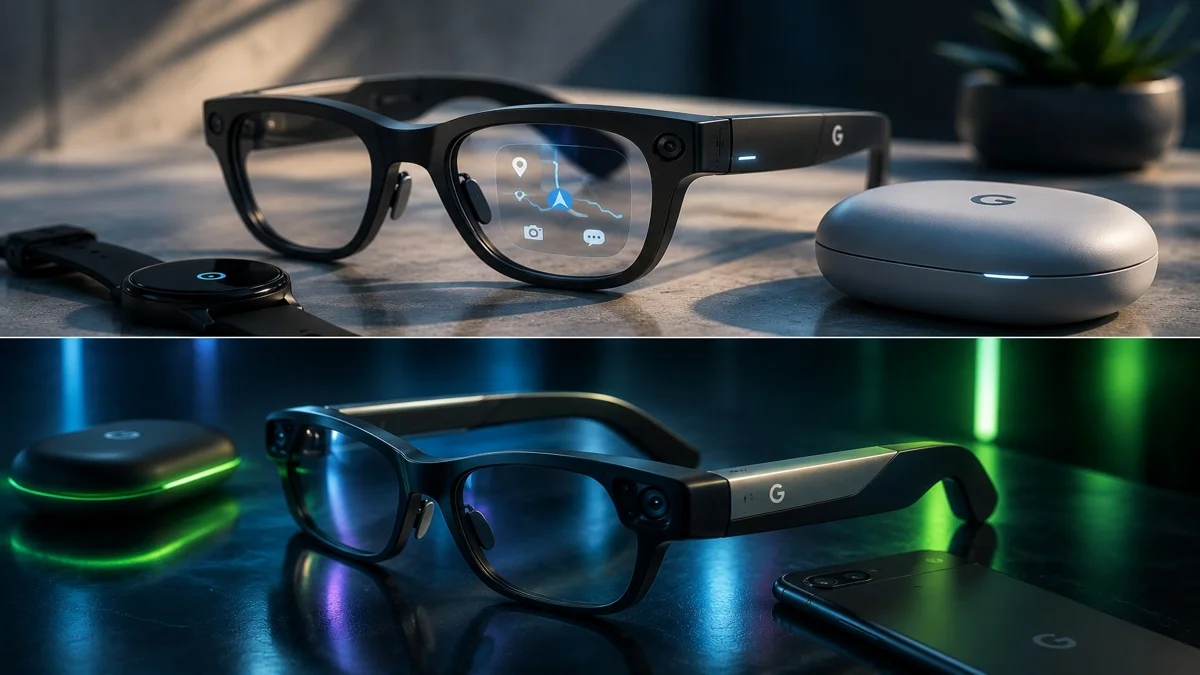
Users may expect Google’s AI glasses to support voice questions, real-time translation, visual search, navigation help, notifications, calls and contextual answers.
Some models may focus on audio-only assistance, while others could include a display. Reports suggest Google’s eyewear plans may include different styles and hardware approaches, but final product details can vary by launch market and partner.
The most important feature will be usefulness. If the glasses only repeat phone notifications, users may not care. If they solve daily problems, the category could grow.
Google Gemini AI Glasses and AI Gadgets
Google’s smart glasses also connect with the wider AI gadget trend. Microsoft is exploring agent-first devices with Project Solara, while other companies are testing new AI hardware formats.
You can read our Mobile Verse article on Microsoft Project Solara to understand how AI devices may move beyond normal apps.
Together, these trends show that the next tech wave may not be only about better phones. It may be about AI assistants built into different devices.
Why This News Matters for Mobile Verse Readers
This news matters because Google Gemini AI glasses could shape the future of Android wearables. If the product works well, it may push Samsung, Meta, Apple and other companies to improve their own AI wearable plans.
For readers, this means more choice and more competition. Smart glasses may become one of the most important gadget categories after smartphones and smartwatches.
It also means mobile technology is becoming more visual, contextual and wearable.
Final Thoughts
Google Gemini AI glasses could be a major step for Android wearables. With Android XR, Gemini, Samsung, Qualcomm and eyewear partners involved, Google is building more than a simple gadget. It is building a platform for future AI experiences.
The opportunity is huge, but the challenges are serious. Google must solve design, battery life, privacy, price and trust.
Overall, Gemini-powered smart glasses are worth watching because they could bring AI out of phone apps and into the real world. If Google gets the experience right, Android wearables may finally become more than watches and earbuds.
FAQs
What are Google Gemini AI glasses?
Google Gemini AI glasses are upcoming smart glasses powered by Gemini and Android XR, designed to offer hands-free AI help, visual search and real-time assistance.
Are Google Gemini AI glasses confirmed?
Google has confirmed intelligent eyewear with Gemini through Android XR, but final product names, pricing and full launch details may vary by partner and market.
What can Gemini smart glasses do?
They may support voice questions, visual AI, real-time translation, navigation help, contextual answers and hands-free assistance.
Will Google Gemini AI glasses replace phones?
Not soon. They are more likely to work as companion devices that reduce the need to use a phone for quick tasks.
How are Google glasses different from Meta AI glasses?
Meta focuses strongly on lifestyle, social sharing and Ray-Ban design, while Google may focus more on Gemini, Android XR, Search, Maps and real-world assistance.