AI Gadgets vs Smartphones: Will Future Devices Replace Phones?
 By Inflix
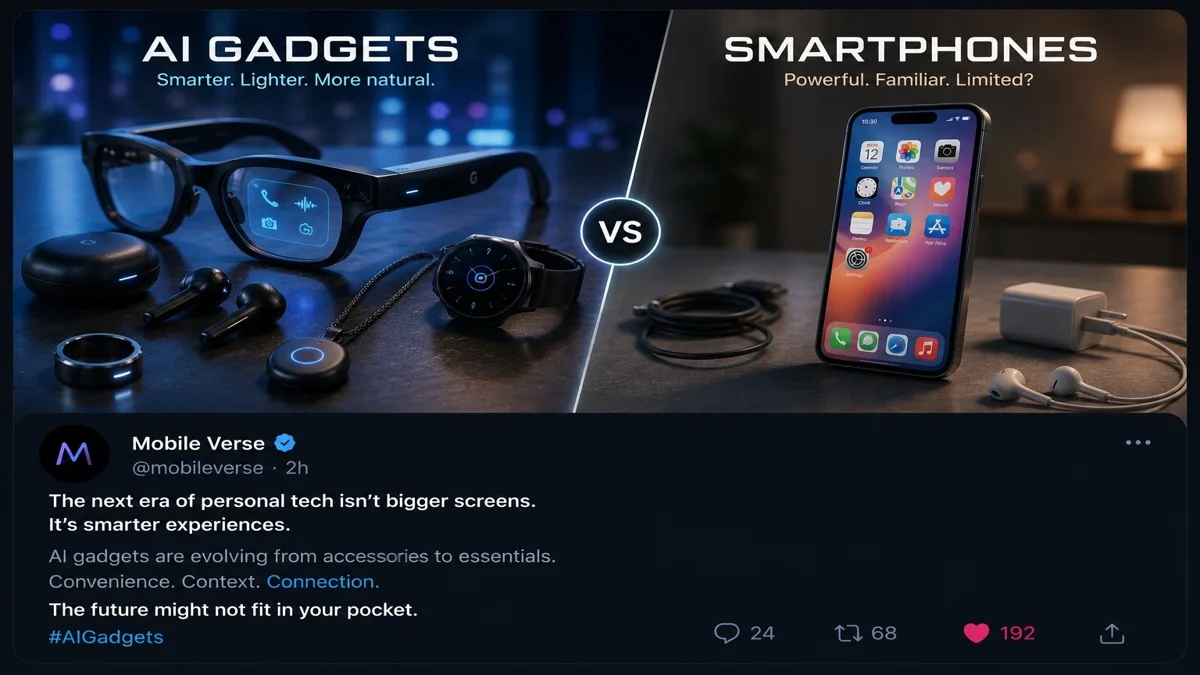
 AI gadgets vs smartphones is becoming one of the biggest questions in future tech. For years, smartphones have been the centre of digital life. People use them for calls, messages, shopping, banking, photos, maps, work, entertainment and almost everything else.
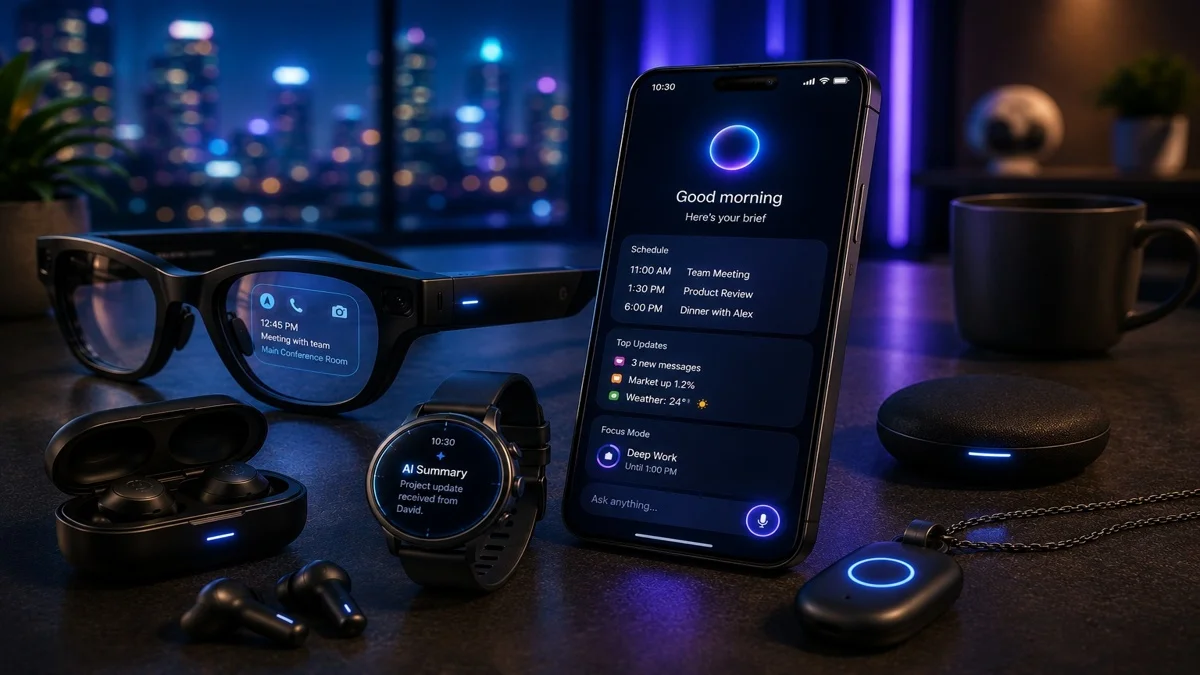
However, a new wave of AI devices is trying to change that. Smart glasses, AI pendants, audio gadgets and agent-first devices promise faster, hands-free help without forcing users to open apps all the time.
The big question is simple: can AI gadgets really replace smartphones, or will they only become useful companion devices?
What Does AI Gadgets vs Smartphones Mean?
AI gadgets vs smartphones means comparing traditional mobile phones with new artificial intelligence devices designed around voice, visual AI, agents and real-time assistance.
Smartphones are app-first devices. Users open apps, tap screens, type messages and manage tasks manually. AI gadgets are different because they aim to understand user requests and complete tasks with less effort.
For example, smart glasses may answer questions about what you see. An AI pendant may summarise conversations. An audio gadget may handle voice notes or reminders. A desk agent device may help with work tasks.
Why AI Gadgets Are Getting Attention
AI gadgets are getting attention because users are tired of doing everything through screens. Smartphones are powerful, but they also create friction. You need to unlock the phone, find the app, type the query and switch between services.
AI gadgets promise a simpler experience. They can listen, respond, translate, summarise or identify things more naturally.
This is why companies are exploring new hardware. Meta is reportedly working on an AI pendant and more smart glasses, while Microsoft has introduced Project Solara as an Android-based platform for AI agent devices. TechCrunch reported that Meta is developing an AI-powered pendant planned for testing next year, and The Verge reported that Microsoft Project Solara is designed for AI-powered agent devices rather than normal app-first gadgets.
For more context on the wider AI hardware trend, TechCrunch has reported on Meta’s AI pendant development, while The Verge has covered Microsoft Project Solara as an Android-based platform for AI agent devices.
Smartphones Still Have a Huge Advantage
Smartphones are not easy to replace. They already have powerful processors, large screens, advanced cameras, strong app ecosystems and reliable mobile networks.
Most people also carry their phone everywhere. That gives smartphones a huge advantage because users do not need to buy or learn another device.
In addition, many AI gadgets still depend on smartphones for setup, internet access, accounts, notifications or companion apps. Therefore, even if AI gadgets grow, phones may remain the main hub for personal technology.
Why AI Gadgets Could Still Win Some Tasks
AI gadgets do not need to replace every phone function to become successful. They only need to be better at specific tasks.
For example, smart glasses could be better for visual search and navigation. AI pendants could be better for meeting notes. Audio gadgets could be better for voice assistance. Smart badges could be useful in workplaces.
This means the future may not be one device replacing another. Instead, users may use phones for complex tasks and AI gadgets for quick, hands-free support.
Smart Glasses Could Challenge Phones
Smart glasses are one of the strongest AI gadget categories because they can understand what the user sees. That gives them a major advantage over phones in some situations.
For example, a user could look at a sign and ask for a translation. They could look at a product and ask for details. They could ask directions while walking without pulling out a phone.
Meta already has Ray-Ban Meta glasses, while Google has confirmed intelligent eyewear with Gemini through Android XR. Google says Android XR is being developed with Samsung and Qualcomm, and that future intelligent eyewear is designed to deliver in-the-moment help through Gemini.
You can read our Mobile Verse guide on Google Gemini AI glasses to see how Android wearables may develop next.
AI Pendants Could Replace Some Phone Habits
AI pendants may not replace phones, but they could replace some phone habits. A pendant can be worn all day and used for voice notes, reminders, summaries and quick questions.
This is useful because many phone tasks are small. Users often unlock their phone just to create a reminder, capture a note, check a detail or record an idea.
An AI pendant could make those tasks faster. However, it must address privacy concerns, as an audio device worn near conversations can make people uncomfortable.
AI Audio Gadgets Could Become Phone Companions
AI audio gadgets may become strong phone companions because voice is natural. Users already talk to voice assistants, record notes, join calls and listen to audio during the day.
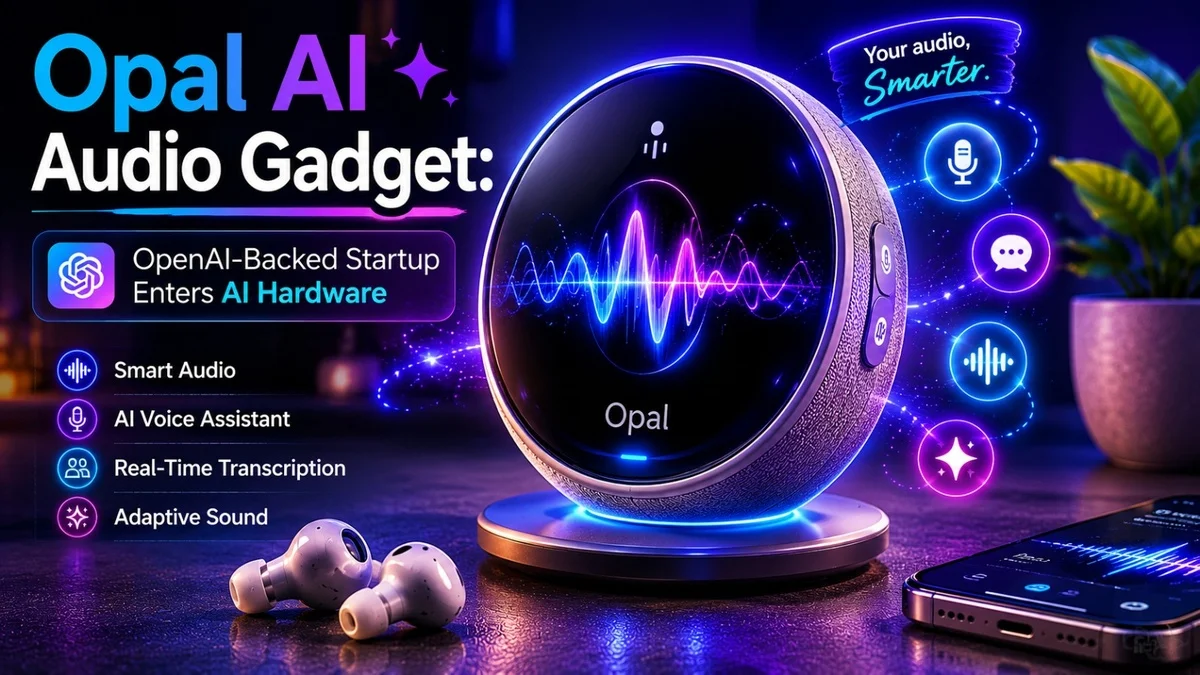
Opal is one company moving into this space. WIRED reports that Opal, known for premium webcams, raised a $40 million Series B round led by OpenAI, with Samsung and other investors involved, and is building an AI-powered audio gadget expected to launch within months.
You can read our Mobile Verse post on the Opal AI audio gadget to understand why audio may be one of the most realistic AI hardware categories.
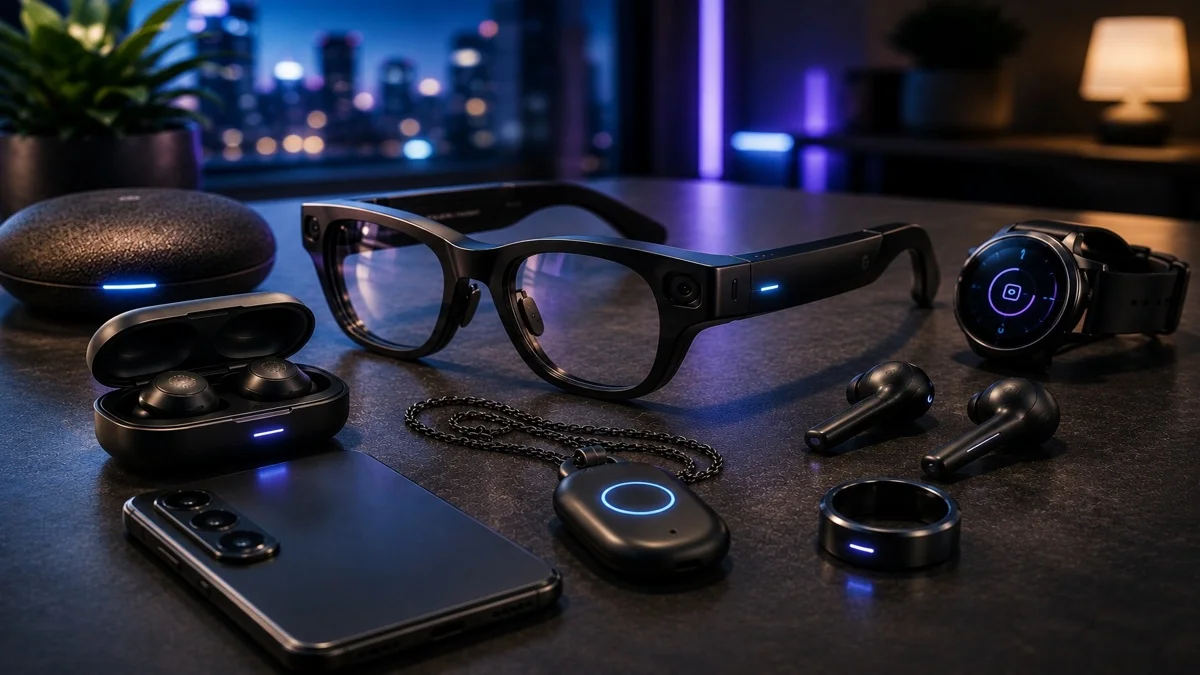
Agent Devices Could Reduce App Use
Agent-first devices are another important part of the AI gadgets vs smartphones debate. Instead of asking users to open apps, agent devices try to complete tasks through AI agents.
Microsoft Project Solara is a good example. The Verge reported that Project Solara is based on Android and designed for small, low-power AI agent devices, including concept desk and badge devices.
This matters because smartphones are still built around apps. If AI agents become powerful enough, users may not care which app handles the task. They may only care about the result.
You can read our Mobile Verse article on Microsoft Project Solara to see how agent-first devices could change future computing.
AI Gadgets vs Smartphones for Search
Search is one area where AI gadgets could change user behaviour. Today, most people search by typing or speaking into a phone. With smart glasses, users may search by looking at something.
This could search more visual and immediate. A user may look at a restaurant, product, document or landmark and ask a question directly.
Smartphones can already do visual search, but glasses make the process more natural. This is why Google and Meta are both interested in AI eyewear.
AI Gadgets vs Smartphones for Communication
Smartphones will remain stronger for full communication because they have screens, keyboards, messaging apps and video calling tools.
However, AI gadgets could help with smaller communication tasks. Smart glasses may handle quick calls. Pendants may capture voice notes. Audio gadgets may summarise meetings.
The best AI devices may not replace messaging apps. Instead, they may reduce the need to type or manually organise conversations.
AI Gadgets vs Smartphones for Photography
Phones still dominate photography because they have excellent cameras, large viewfinders and powerful editing apps.
Smart glasses can capture moments from the user’s point of view, but they may not match phone cameras for quality or control. They are better for quick, hands-free capture than serious photography.
That means smartphones will likely remain the main camera for most users. AI glasses may become a secondary camera for moments when pulling out a phone is inconvenient.
AI Gadgets vs Smartphones for Work
Workplace use may be where AI gadgets grow fastest. Businesses can use smart glasses, badges, pendants and desk devices for training, meetings, field work and customer support.
For example, an employee could use smart glasses for hands-free instructions. A pendant could summarise meetings. A badge could help with identity, access or task notes.
This is why Meta and Microsoft are both exploring workplace AI hardware. Enterprise use cases are often clearer than consumer use cases because companies can measure time savings.
Why AI Gadgets Failed Before
AI hardware has already had some difficult moments. Devices such as Humane AI Pin and Rabbit R1 created hype, but many users questioned whether they were useful enough compared with phones.
The problem is simple. If an AI gadget does not do something clearly better than a phone, users may not keep using it.
That is why the next wave must be more practical. Devices need better battery life, faster responses, stronger privacy controls and clearer daily value.
Privacy Is the Biggest Challenge
Privacy is one of the biggest problems for AI gadgets. Many devices use microphones, cameras, sensors or always-ready assistants.
This creates difficult questions. When is the device listening? When is it recording? Can people nearby see that it is active? Where is the data processed?
Smartphones already raise privacy concerns, but wearable AI can feel more personal and more sensitive. If companies fail on privacy, users may reject the category.
Battery Life and Comfort Matter
AI gadgets must also be comfortable and reliable. A phone can sit in a pocket, but smart glasses, pendants and badges sit on the body.
Heavy glasses can make users stop wearing them quickly. A pendant with weak battery life may also become frustrating during the day. Meanwhile, an audio gadget must feel genuinely useful, or people will simply return to their phone.
This is why hardware design matters as much as AI software.
Price Could Decide the Market
Price will play a major role in whether AI gadgets can compete with smartphones. Many users already spend a lot on phones, earbuds, watches and subscriptions.
A new AI gadget must justify its price clearly. If it feels like a small add-on with limited features, people may not buy it.
The most successful devices may be those that either work very well with phones or solve a specific problem that phones do not handle easily.
AI Gadgets vs Smartphones for Everyday Users
For everyday users, the best setup may be a combination of phone and AI gadget. The phone remains the main device for apps, photos, banking, video and entertainment. The AI gadget handles quick tasks, voice help, visual search or summaries.
This is similar to how smartwatches work today. They did not replace phones, but they became useful companions for health, notifications and quick actions.
AI gadgets may follow the same path.
Could Phones Become More Like AI Gadgets?
Another possibility is that smartphones absorb the best AI gadget features. Phones already include AI assistants, visual search, call screening, scam protection, photo editing and voice tools.
This means phones may become more agent-like over time. Instead of being replaced by AI gadgets, smartphones may become smarter and more proactive.
You can read our pillar post on Android AI features 2026 to see how phones are already adding AI tools for search, safety and photos.
AI Wearables May Be the Middle Ground
AI wearables may become the middle ground between full smartphones and small AI gadgets. Smart glasses, pendants and audio devices can help users while still depending on phones for bigger tasks.
You can read our Mobile Verse pillar guide on AI wearables 2026 to see how smart glasses, AI pendants and audio gadgets fit together.
This category may grow because it does not need to defeat smartphones. It only needs to make daily life easier.
What Companies Need to Get Right
Companies must focus on real usefulness, not only hype. AI gadgets need to be faster than phones for specific tasks, easy to wear or carry, and trustworthy with personal data.
They also need strong design. People will not wear awkward glasses or carry strange devices just because they have AI.
The winning products will likely be simple, focused and reliable. They will solve clear problems instead of trying to replace the entire smartphone overnight.
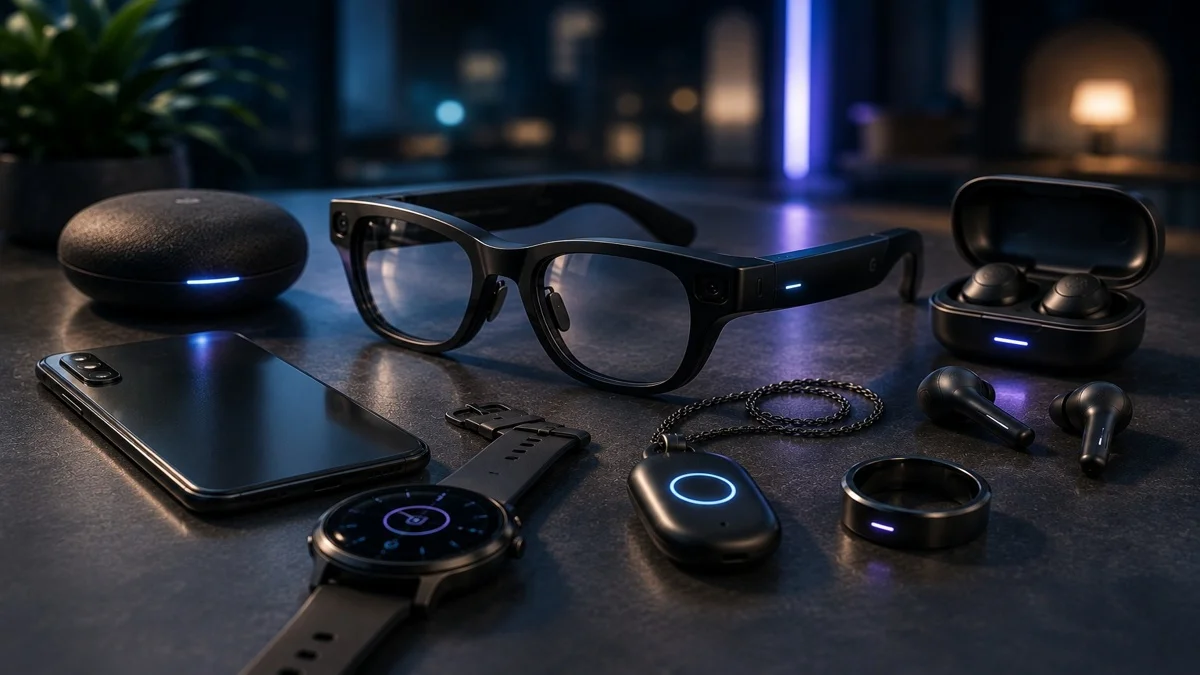
Final Verdict: Will AI Gadgets Replace Smartphones?
AI gadgets will probably not replace smartphones soon. Phones are too useful, too flexible and too deeply connected to daily life.
However, AI gadgets can still become important. Smart glasses may change visual search. Pendants may change note-taking. Audio gadgets may improve voice assistance. Agent devices may reduce app switching.
The future is likely not AI gadgets vs smartphones as a complete replacement battle. Instead, it will be about how these devices work together. Smartphones will remain the main hub, while AI gadgets become specialised companions.
Final Thoughts
AI gadgets vs smartphones is a debate that will grow throughout 2026 and beyond. The smartphone is still the most important personal device, but AI hardware is creating new ways to interact with technology.
For now, the best AI gadgets will not try to replace phones completely. They will solve smaller tasks better than phones can.
Overall, smartphones are safe for now. However, the next generation of AI wearables, pendants and agent devices could slowly change how often we need to use them.
FAQs
What does AI gadgets vs smartphones mean?
AI gadgets vs smartphones compares new AI-powered devices such as smart glasses, pendants and audio gadgets with traditional mobile phones.
Will AI gadgets replace smartphones?
Not soon. AI gadgets are more likely to work as companion devices that handle quick tasks while smartphones remain the main hub.
Which AI gadget could be most useful?
Smart glasses may be the most useful for visual search and real-time help, while pendants and audio gadgets may be better for notes and voice tasks.
Why are companies making AI gadgets?
Companies are making AI gadgets because they want AI assistants to feel more natural, hands-free and available beyond phone screens.
What is the biggest problem with AI gadgets?
The biggest problems are privacy, battery life, comfort, price and proving that the device is more useful than a phone app.