Cyberdecks Are Back: Why Retro Portable Computers Are Trending Again
 By Inflix
 Cyberdecks are making a surprising comeback, and this retro-tech trend is more than just another internet aesthetic. These custom portable computers are attracting makers, Gen Z creators, privacy-focused users and people who want technology to feel personal again.
At a time when most phones and laptops look almost the same, these DIY machines feel different. They are handmade, customisable and often built from unusual parts such as old cases, tiny keyboards, Raspberry Pi boards, small displays and thrifted materials.
For Mobile Verse readers, this trend is worth watching because it shows a growing frustration with mainstream tech. People are not only asking for faster devices anymore. They want devices that feel creative, private and fully under their control.
What Are Retro Portable Computers?
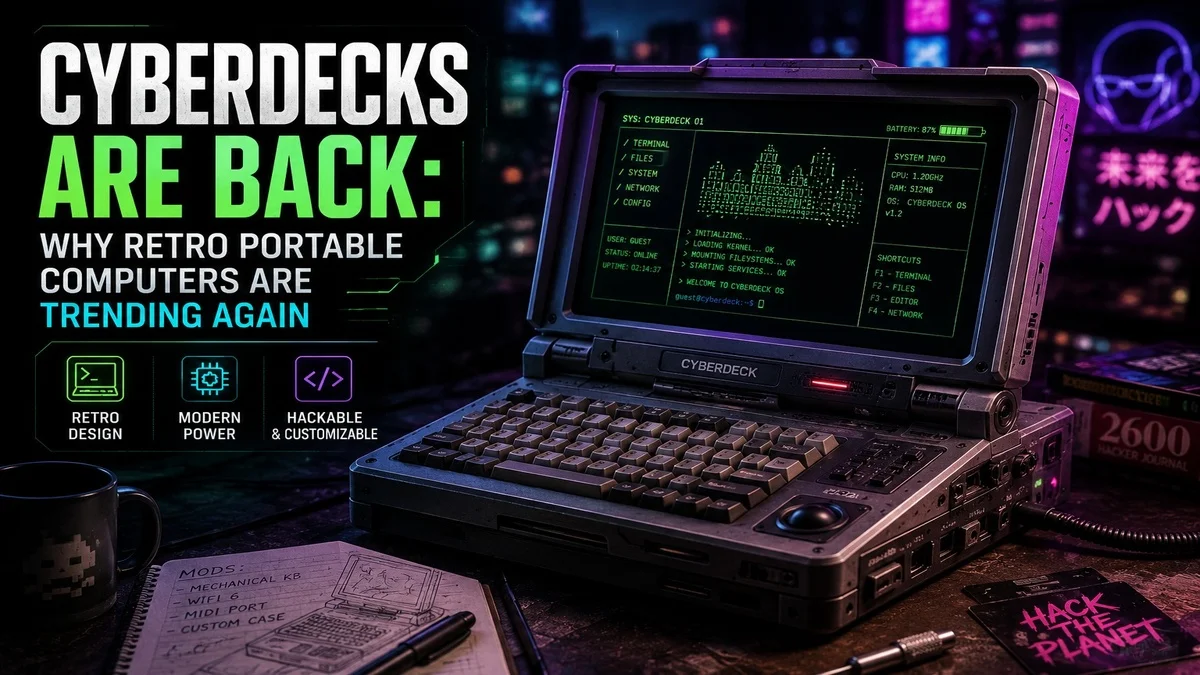
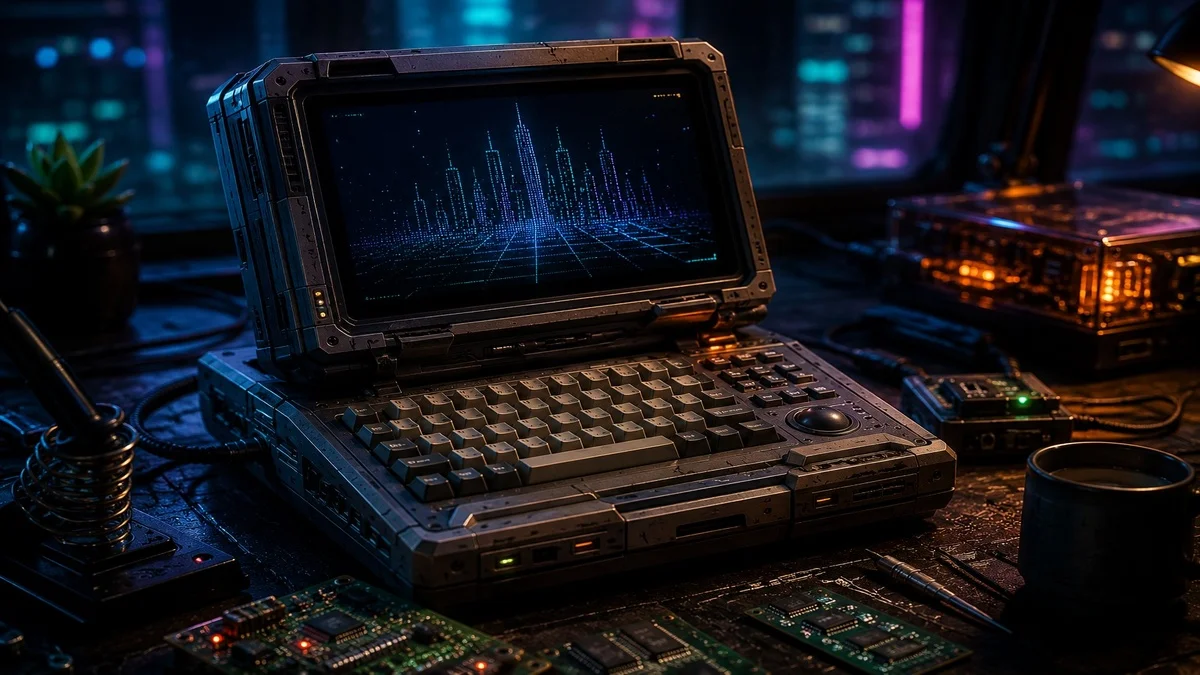
Cyberdecks are custom-built portable computers inspired by cyberpunk fiction, hacker culture and retro-futuristic design. They often include a small screen, keyboard, battery and custom case.
Many modern builds use Raspberry Pi boards because they are affordable, flexible and easy to modify. However, creators can use many different parts depending on the design and purpose.
Unlike normal laptops, these DIY portable computers do not follow one fixed shape. Some look like rugged field machines, while others look like old game consoles, briefcases, toys, clamshell gadgets or sci-fi props.
Why Retro Portable Computers Are Trending Again
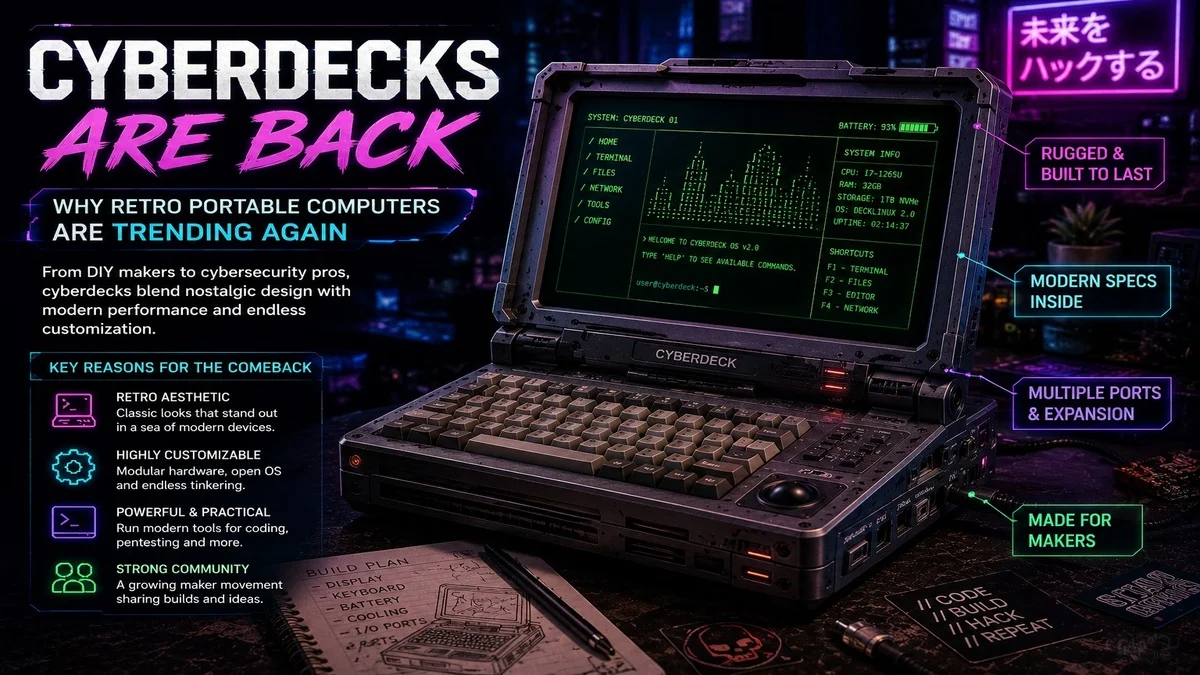
This trend is growing because users are tired of boring, locked-down and mass-produced technology. Phones, laptops and tablets are powerful, but many of them feel similar. They are also difficult to repair, customise or fully understand.
That is why custom portable computers feel refreshing. They let people build something personal instead of buying another sealed device.
Wired recently covered how DIY cyberdecks are becoming anti-AI gadgets, with creators using custom builds as a reaction to mass-produced tech and AI-heavy digital culture.
Gen Z and the DIY Tech Movement
Gen Z creators are helping bring this trend back into the spotlight. Many builders share their projects on TikTok, Instagram and maker communities, where unusual designs can quickly go viral.
This matters because younger users are not only consuming technology. They are rebuilding it, decorating it and using it as a form of self-expression.
Instead of accepting the same flat glass screens, they are creating devices that look playful, strange, personal and sometimes deliberately imperfect.
Custom Computers vs Normal Laptops
Cyberdecks are not meant to replace normal laptops for most people. A laptop is usually faster, easier to use and more practical for daily work.
However, these custom computers offer something different: control. Users can choose the parts, layout, operating system, case design and purpose.
A builder may create a device for writing, coding, retro gaming, offline notes, radio tools, privacy experiments or creative projects. That makes each machine feel more personal than a normal consumer laptop.
Why Makers Love This Trend
Makers love these devices because every build is different. There is no single correct design. A project can be serious, playful, rugged, cute, futuristic or completely strange.
Some builders focus on function. Others focus on aesthetics. Many do both.
For example, one person may build a portable coding machine, while another may turn an old toy case into a tiny writing device. This freedom is part of the appeal.
Privacy-Focused Computing
Privacy is another reason this trend is gaining attention. Many users are uncomfortable with devices that constantly connect to cloud services, collect data or push AI features they did not ask for.
A custom-built computer can be made as a more private machine. For example, users can install lightweight Linux systems, avoid unnecessary apps and choose exactly what software runs on the device.
That does not make every build automatically secure. However, the idea of owning and understanding your computer is powerful. It gives users more control than a locked-down phone or tablet.
The Anti-AI Appeal
These DIY machines are also becoming part of an anti-AI or low-tech reaction. This does not mean every builder hates AI. Instead, many people are reacting against technology that feels automated, corporate and less human.
Modern AI tools can be useful, but they also make some users feel like tech is becoming less personal. Handmade computers push in the opposite direction. They are hands-on, imperfect and human-made.
That is why the trend connects with people who want technology to feel creative again.
Cyberpunk Roots and Retro Style
The word cyberdeck comes from cyberpunk fiction. The idea became famous through William Gibson’s 1984 novel Neuromancer, where hackers used deck-like computers to enter digital spaces.
Today’s builds are not the same as those fictional machines. However, the spirit is similar. They are about independence, creativity and a more personal relationship with technology.
The style often mixes old-school hardware, futuristic design, hacker culture and sci-fi imagination.
Common Parts Used in a Build
Most projects use a few basic components. These usually include a small computer board, display, keyboard, battery and case.
Raspberry Pi is one of the most popular choices because it is compact and widely supported. Some builders also use mini PCs, old laptops, microcontrollers or recycled electronics.
The case is where the creativity appears. Builders may use plastic boxes, old camera cases, toy shells, rugged enclosures, 3D-printed frames or vintage electronics.
Are These DIY Computers Actually Useful?
These devices can be useful, but it depends on the build. Some are practical portable computers. Others are more like art projects or learning tools.
A custom machine can work well for writing, coding, offline research, retro gaming, field work, radio projects or privacy-focused computing. However, it may not be ideal for heavy video editing, modern gaming or full office work.
That is not a failure. The point is not always maximum performance. For many builders, the value is in learning, customisation and ownership.
Creative Expression Through Hardware
Cyberdecks are becoming creative objects as much as computers. Some builders decorate them with stickers, lights, vintage buttons, custom keycaps and unusual materials.
This is one reason the trend is spreading beyond traditional tech hobbyists. It appeals to artists, designers, students, writers and people who want devices that look different.
A handmade computer can become part gadget, part art project and part personal statement.
Could This Trend Become Mainstream?
Cyberdecks probably will not become mainstream like smartphones or laptops. They require time, patience and some technical curiosity.
However, the ideas behind them could influence future devices. People clearly want more repairable, customisable and personal technology. They also want alternatives to devices that feel controlled by big companies.
Even if most people never build one, the trend sends a message: users want more control over their digital tools.
The Future of Portable Computers
The future of portable computing may not be only about thinner laptops or foldable screens. It may also include small, specialised devices built for specific needs.
Some users want rugged writing machines. Others want offline notebooks, hacker tools, retro gaming rigs or creative digital journals.
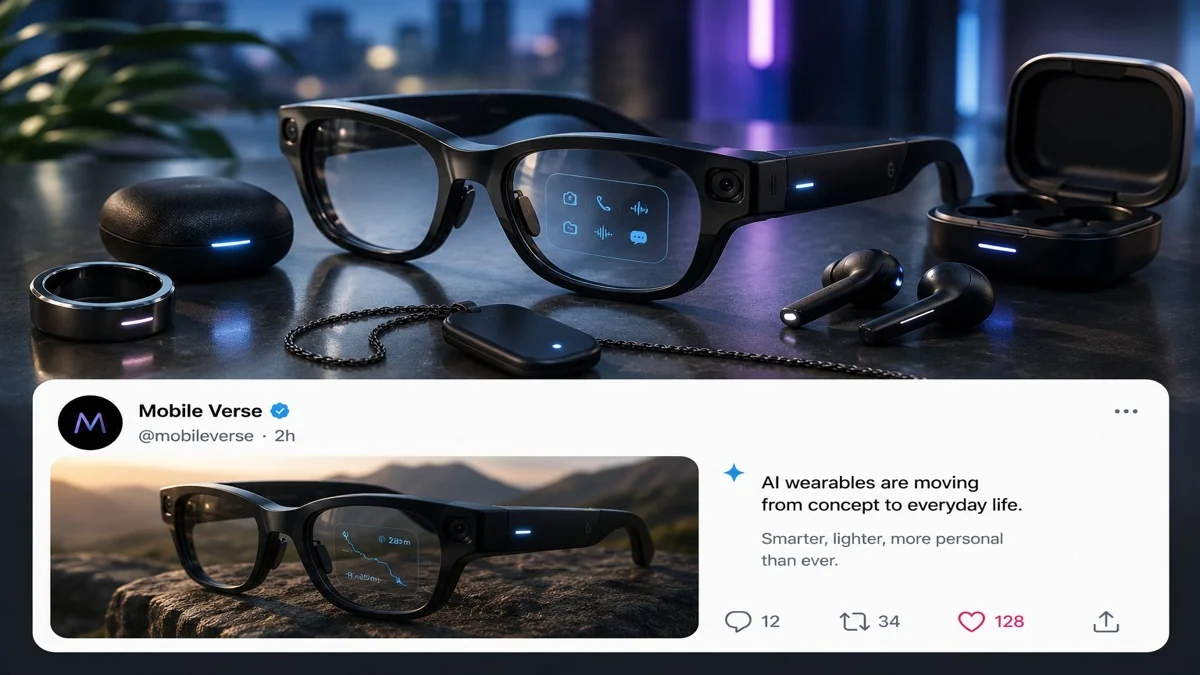
This trend could inspire more modular and open hardware in the future. It also connects with the wider movement around AI gadgets and alternative devices.
You can read our Mobile Verse guide on Microsoft Project Solara to see how companies are exploring new device types beyond normal phones and apps.
DIY Computers vs AI Gadgets
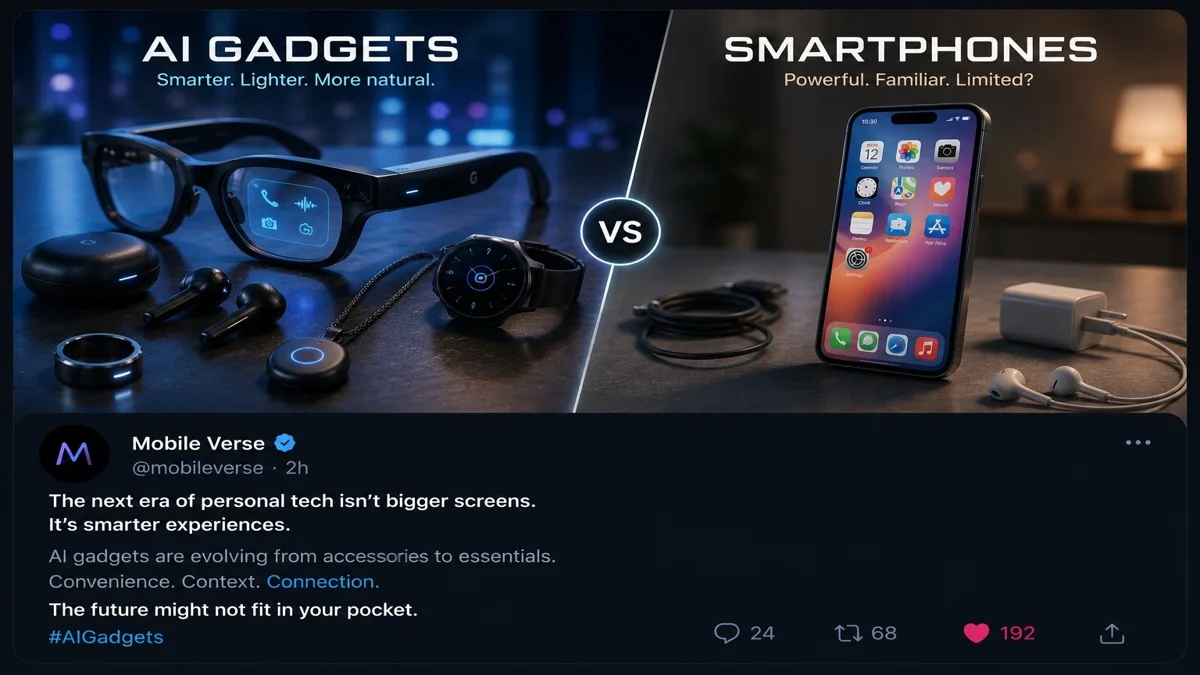
Cyberdecks and AI gadgets are almost opposite trends. AI gadgets promise smart automation, voice assistants and agent-first experiences. Handmade portable computers focus on manual control, creativity and hardware ownership.
However, both trends show the same deeper point: people are questioning the future of devices.
Some users want smarter AI assistants. Others want simpler, more personal computers. Both groups are reacting to the feeling that mainstream phones and laptops no longer offer enough control or excitement.
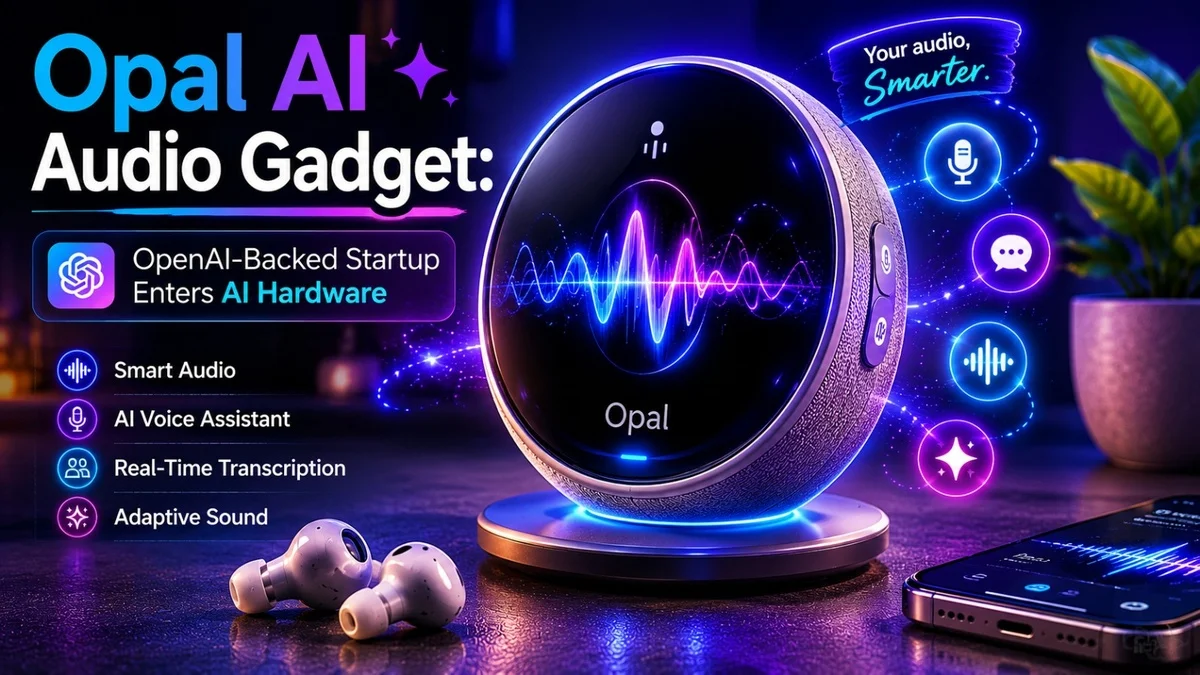
You can also read our post on the Opal AI audio gadget to see how AI hardware is moving in a different direction.
Why This Matters for Mobile Verse Readers
This trend matters because it shows how tech culture is changing. Users are not only waiting for Apple, Google, Microsoft or Samsung to launch the next device. Some people are building their own.
This is important for future tech coverage. The next big idea may not always come from a polished product launch. It may come from maker communities, open hardware projects or social media creators.
For readers who love gadgets, these retro portable computers are exciting because they make computing feel experimental again.
Should You Build One?
You should consider building a cyberdeck if you enjoy DIY projects, retro tech, custom gadgets or learning how computers work. It can be a fun way to understand hardware, Linux, batteries, displays and basic electronics.
However, it is not the best project if you need a simple everyday computer immediately. These projects require planning, parts and troubleshooting.
A good beginner approach is to start small. Use a Raspberry Pi, a compact keyboard, a small screen and a simple case. After that, you can improve the design over time.
Final Thoughts
Cyberdecks are back because people want technology to feel personal again. They are not the fastest or most convenient computers, but they offer something modern devices often lack: creativity, control and ownership.
This trend also reflects a bigger cultural shift. Some users are tired of sealed gadgets, endless subscriptions, AI overload and devices that all look the same. Handmade computers give them a way to build something different.
Overall, these retro portable machines are not just nostalgic gadgets. They are a reminder that technology can still be playful, repairable and deeply personal.
FAQs
What are retro portable computers?
Cyberdecks are custom-built portable computers inspired by cyberpunk fiction. They usually include a small screen, keyboard, battery and custom case.
Why are they trending again?
They are trending because makers and Gen Z creators want more personal, customisable and privacy-focused alternatives to mainstream tech.
Do these builds use Raspberry Pi?
Many builds use Raspberry Pi boards because they are compact, affordable and easy to customise, but creators can use other hardware too.
Are they useful for daily work?
Some can handle writing, coding, notes and light computing, but most are not as practical as normal laptops for everyday work.
Can beginners build one?
Yes, beginners can start with a Raspberry Pi, small screen, keyboard and simple case, but they should expect some learning and troubleshooting.