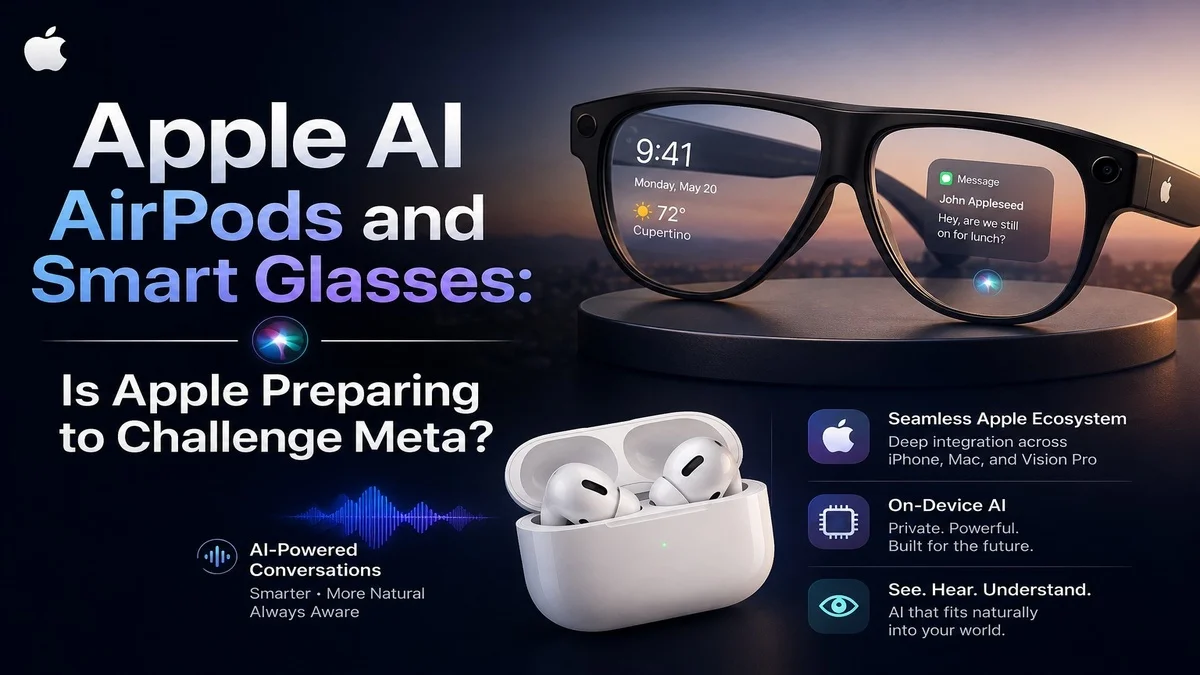
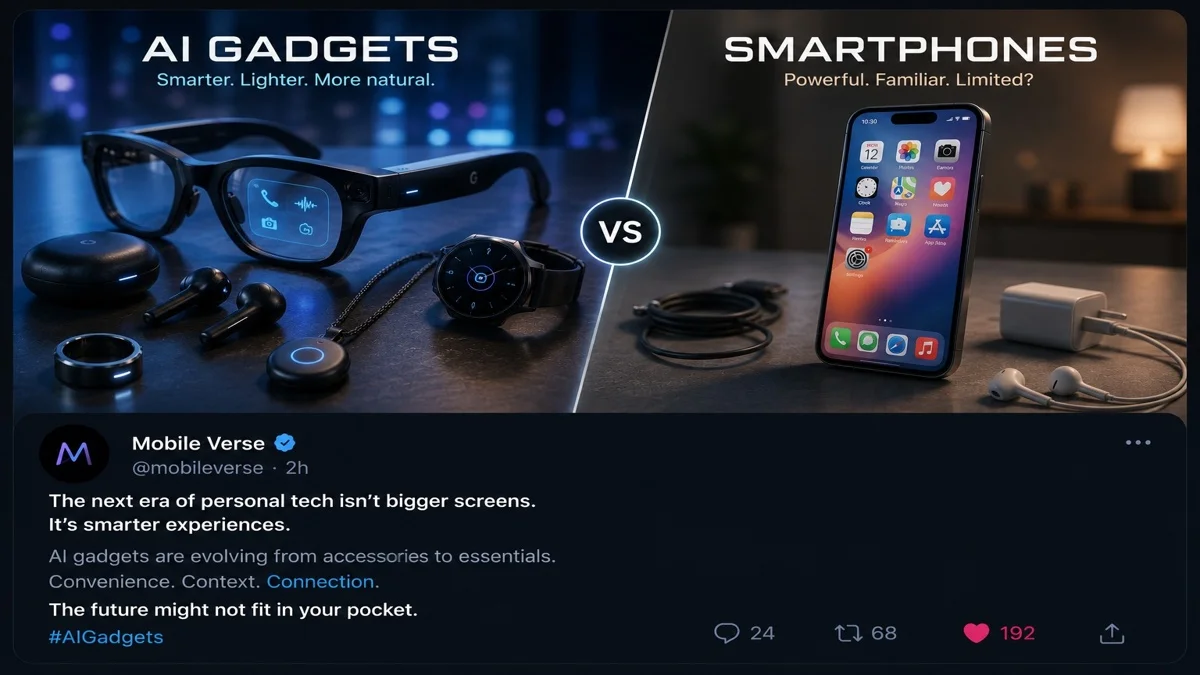
The Future of Wearable Tech: What’s Coming After Smartwatches?
 By Inflix
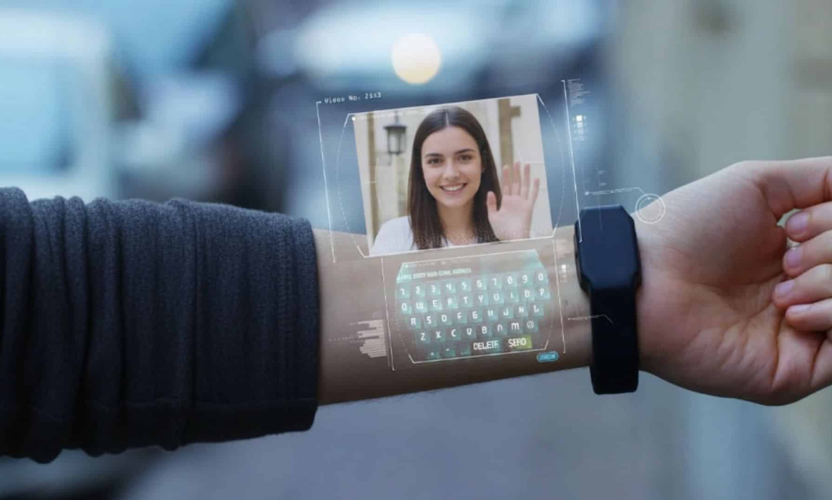
 The future of wearable tech is changing fast. Smartwatches started the trend, but new devices like smart rings, smart glasses, smart clothing, and health trackers are shaping the next stage of innovation. As wearable devices become smarter and more useful, people want to know what comes after smartwatches.
The future of wearable tech looks far more exciting than simply upgrading the watch on your wrist. New devices are becoming smaller, smarter, and more deeply connected to everyday life. In the coming years, wearable tech may move beyond screens and straps into rings, glasses, clothing, and even skin-based sensors.
In this article, we will explore the future of wearable tech, the devices likely to shape the next generation, and how these innovations may redefine convenience, health, fitness, and communication.
Why Smartwatches May No Longer Be Enough
Smartwatches remain useful, but they also have limitations. Many users like their convenience, yet others find them bulky, distracting, or too similar to smartphones. As a result, tech companies are now focusing on wearables that feel more natural and less invasive.
Today’s consumers want wearable devices that are:
- Smaller and lighter
- More stylish and discreet
- Better at health tracking
- Less dependent on constant screen use
- Powered by smarter AI features
This shift is pushing the future of wearable tech in a new direction. Instead of one device doing everything, the next wave of wearables may offer specialised experiences in a more seamless way.
Smart Rings and the Future of Wearable Tech
One of the strongest contenders in the future of wearable tech is the smart ring. These small devices pack advanced features into a compact design, making them ideal for users who want health tracking without wearing a watch.
Smart rings can already monitor:
- Sleep quality
- Heart rate
- Activity levels
- Body temperature
- Stress signals
Because they are lightweight and discreet, smart rings are attractive to people who want wearable tech that blends into daily life. They also offer a more minimal look, which appeals to users who do not enjoy large gadgets on their wrists.
As sensors improve, smart rings may become even more powerful. In the future, they could provide real-time wellness insights, personalised recovery suggestions, and better long-term health tracking.
Smart Glasses May Redefine Everyday Computing
Another major step in the future of wearable tech is smart glasses. While earlier versions struggled to gain mainstream attention, newer designs are becoming more practical, stylish, and useful.
Smart glasses may soon allow users to:
- View notifications without checking a phone
- Use voice assistants naturally
- Access navigation while walking or driving
- Translate conversations in real time
- Capture photos and videos hands-free
The biggest advantage of smart glasses is convenience. Instead of looking down at a screen, users can receive information directly in their line of sight. This could make digital interaction faster, safer, and more immersive.
If tech companies can make smart glasses comfortable, affordable, and socially acceptable, they may become one of the most important wearable devices after smartwatches.
AI Wearables Will Become More Personal
Artificial intelligence is expected to play a huge role in the future of wearable tech. Rather than simply collecting data, future wearables may analyse behaviour, understand habits, and offer useful recommendations in real time.
AI-powered wearables could help users by:
- Predicting stress before it becomes overwhelming
- Suggesting better sleep routines
- Improving workout performance
- Offering productivity reminders
- Supporting mental wellness
This is where wearable technology becomes more than a gadget. It becomes a personal assistant that understands the user’s daily patterns and responds in a helpful way.
As AI becomes more advanced, wearables may feel less like accessories and more like intelligent companions.
Smart Clothing Could Bring Invisible Technology to Life
One of the most exciting ideas in the future of wearable tech is smart clothing. Instead of carrying a device or wearing a watch, users could wear shirts, jackets, socks, or shoes with built-in technology.
Smart clothing may be able to:
- Track posture and movement
- Measure physical activity
- Monitor muscle performance
- Support athletes during training
- Help with rehabilitation and recovery
For fitness lovers, athletes, and health-focused users, smart clothing could make data collection more accurate and more natural. Since the sensors are built into fabric, the technology becomes less noticeable and more comfortable.
Although smart clothing is still developing, it has strong potential in sports, healthcare, and daily wellness.
How the Future of Wearable Tech Will Change Health Tracking
Health monitoring is already one of the biggest reasons people buy wearable devices, and this area will likely define the future of wearable tech even more strongly.
Future wearables may do much more than count steps or track calories. They could focus on advanced health insights such as:
- Blood pressure monitoring
- Hydration levels
- Early illness detection
- Blood oxygen changes
- Recovery and fatigue analysis
This shift could make wearable tech far more valuable in everyday healthcare. Instead of reacting after symptoms appear, users may receive warnings early and make smarter decisions about their health.
That is why the future of wearable tech is closely connected to prevention, wellness, and long-term care rather than simple fitness tracking.
Hearables May Quietly Grow in Popularity
Another category to watch is hearables, which include smart earbuds and audio-based wearable devices. These wearables already do more than play music. Many now support voice assistants, noise control, fitness tracking, and hands-free communication.
In the future, hearables may become even more advanced by offering:
- Better voice interaction with AI
- Health tracking through the ear
- Live translation features
- Personalised sound experiences
- Smarter communication tools
Hearables are especially appealing because they fit naturally into daily routines. Many people already wear earbuds for work, travel, or entertainment, so adding more intelligent features makes perfect sense.
Why the Future of Wearable Tech Looks More Invisible
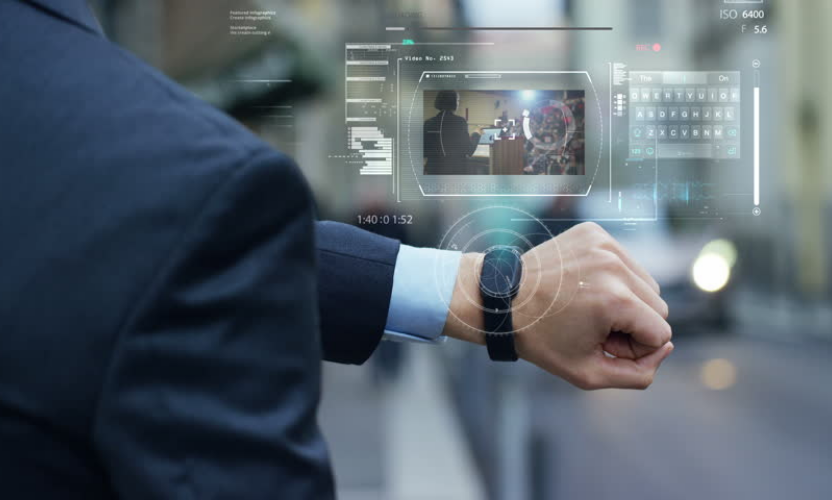
A key trend in the future of wearable tech is that devices may become less visible. Rather than wearing one obvious gadget, people may use several small connected devices throughout the day.
This could include:
- Smart rings on fingers
- Health patches on skin
- Glasses with hidden displays
- Clothing with embedded sensors
- Earbuds with AI support
The goal is simple: make technology feel effortless. The best wearable devices of the future may not look futuristic at all. They may quietly fit into normal clothing, jewellery, and daily accessories.
Privacy and Battery Life Will Still Matter
Even though the future of wearable tech looks promising, some challenges still need attention. Users care deeply about privacy, comfort, and battery life. If wearable devices collect more personal health and behaviour data, companies will need to earn trust through strong security and transparent design.
Battery performance will also remain important. People want wearables that are reliable without constant charging. Smaller devices may look better, but they must still offer practical daily use.
For wearable technology to move forward successfully, brands must balance innovation with real-world convenience.
What Comes After Smartwatches?
So, what is really coming after smartwatches?
The answer is unlikely to be a single device. Instead, a mix of connected products will probably shape the future of wearable tech. For example, smart rings could focus on wellness tracking, while smart glasses may improve communication and navigation. At the same time, smart clothing might support fitness and healthcare, and AI wearables could bring intelligent assistance across all of them.
This means the next era of wearables could be more personal, more invisible, and more useful than ever before.
Future of Wearable Tech: Final Thoughts
The future of wearable tech is heading into an exciting new phase. Smartwatches opened the door, but they may only be the beginning. As technology becomes smaller, smarter, and more integrated into daily life, users can expect wearable devices that feel less like gadgets and more like natural extensions of themselves.
From smart rings and glasses to intelligent clothing and AI-powered health tools, the future after smartwatches looks full of possibility. The wearable tech market is no longer just about checking notifications on your wrist. It is about creating a connected lifestyle where technology supports health, convenience, and everyday living in more meaningful ways.
For anyone interested in innovation, fitness, health, or smart living, the future of wearable tech is definitely worth watching.
FAQs
What is the future of wearable tech?
The future of wearable tech includes smart rings, smart glasses, AI-powered devices, smart clothing, and advanced health wearables that go beyond traditional smartwatches.
Will smart rings replace smartwatches?
Smart rings may become a popular alternative for people who want smaller and more discreet wearable devices, but they may work alongside smartwatches rather than fully replacing them.
What wearable tech is coming next?
The next wearable tech trends may include smart glasses, hearables, health patches, AI wearables, and sensor-based clothing.
Why is wearable technology becoming more popular?
Wearable technology is becoming more popular because it offers convenience, health insights, fitness support, and better integration with everyday digital life.
Wearable innovation is moving quickly and aligns closely with other major technology shifts. To see how these changes fit into the wider digital world, explore our guide, which covers the trends shaping the future of devices, AI, and connected living.
As the future of wearable tech continues to evolve, it is also worth following broader industry developments from trusted technology sources. Platforms often highlight emerging wearable tech trends, helping readers stay updated on innovations beyond smartwatches.