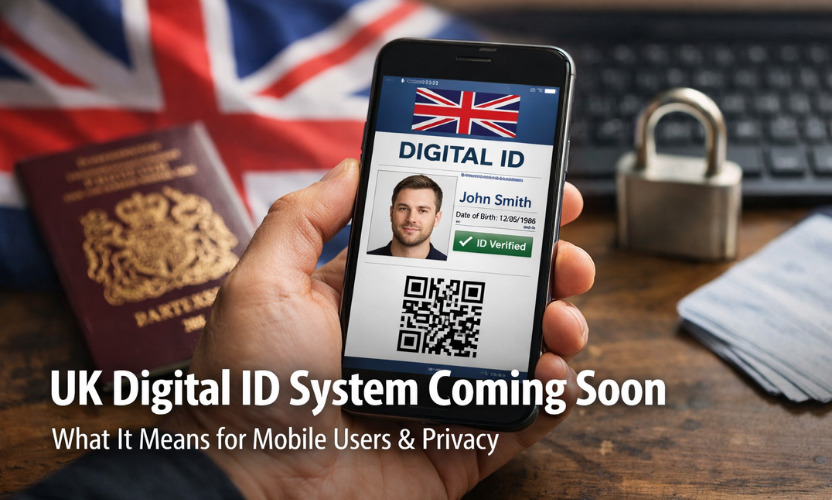
Introduction:
The UK government is launching a Digital ID system. This move aims to change how people access services online. From banking apps to government portals, this new system promises unparalleled convenience. However, it also raises important questions about privacy. As a mobile user, what does this mean for you, and how can you ensure your data remains secure?
In this post, we explain the UK Digital ID system.
We also show how it will affect mobile users and how you can protect your privacy.
What is the UK Digital ID?
The UK Digital ID is a government-backed initiative. It aims to give citizens a secure digital identity for online services.
Instead of using many passwords, users will verify their identity with a Digital ID. It will work across mobile apps and government websites.
Smartphones already use biometrics like fingerprint and face recognition. The Digital ID will work in a similar way to verify your identity.
This means fewer steps, quicker logins, and a more streamlined online experience.
How Will Digital IDs Be Used on Mobile Devices?
First, mobile phones will play a key role in the UK Digital ID rollout. Here’s how it will impact mobile users:
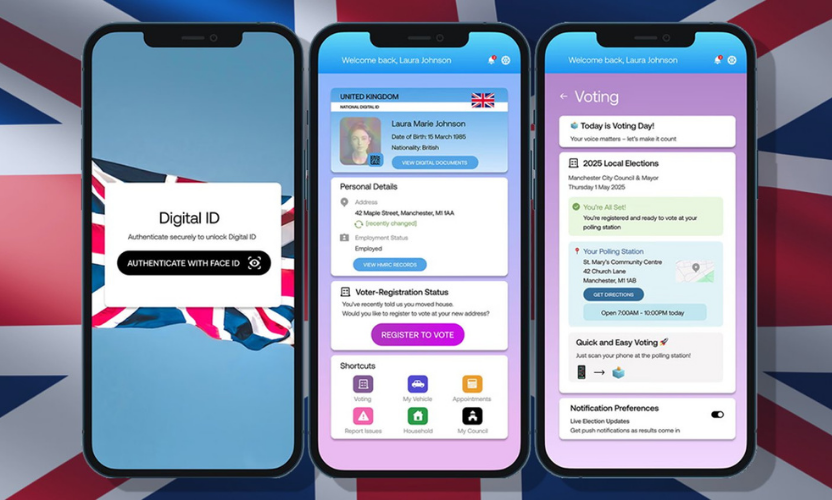
- Mobile Authentication: Your phone will act as a secure gateway for identity verification across online services, enabling faster and more secure logins.
- Banking and Financial Services: Digital IDs will likely be integrated into banking apps such as Monzo and Revolut, making authentication smoother. No more remembering passwords or waiting for text codes.
- Government Services: Renewing passports, voting online, and accessing government services could all be done directly from your phone using your Digital ID.
- Privacy & Security: The Digital ID system will employ state-of-the-art security measures, such as biometric authentication and encrypted data storage, to protect your identity and personal information.
Privacy & Security Concerns — Should You Be Worried?
While the Digital ID system offers unmatched convenience, it also raises valid privacy concerns:
- Centralised Data Risks: With a single ID for all your digital activities, there is a risk that a breach or hack could expose all your personal data. A failure in one part of the system could compromise your entire digital identity.
- Surveillance and Data Usage: Some fear that personal data could be misused for surveillance or targeted marketing by third parties or the government.
- How Safe Is Your Data? The government has committed to encrypting your data and sharing it only when absolutely necessary. But with recent high-profile data breaches across various platforms, the question remains: can we truly trust the system?
To minimise risks, opt for mobile apps that offer extra security measures, such as two-factor authentication (2FA), and stay updated on data protection policies.
What Does This Mean for Mobile Users in the UK?
For mobile users, the UK Digital ID system brings both opportunities and challenges:
- Opportunity for Seamless Mobile Experiences: The convenience of having your identity verified with a single touch or glance is immense. It will eliminate the hassle of remembering multiple passwords or verification codes, especially for banking, shopping, and public services.
- A Shift in Mobile Usage: Expect to rely on your phone more than ever for accessing critical services. However, this will also mean a greater need to secure your device, as it will house sensitive personal data.
- Mobile Security Enhancements: To protect your Digital ID, mobile operating systems like iOS and Android are likely to implement even stronger security features, such as enhanced biometric systems and encrypted data management.
How Will It Affect the Mobile Industry?
The implementation of the Digital ID system will significantly impact the mobile industry:
- Mobile Security Innovations: As the Digital ID becomes central to mobile interactions, phone manufacturers will compete to create the most secure devices, pushing innovations in biometric authentication like advanced fingerprint scanning or facial recognition.
- App Developer Impact: App developers will need to build or update apps to support Digital ID features, ensuring secure communication with both private and government services. This will lead to new opportunities for innovation, particularly in the areas of mobile security and privacy.
Conclusion: Should You Be Ready for Digital IDs?
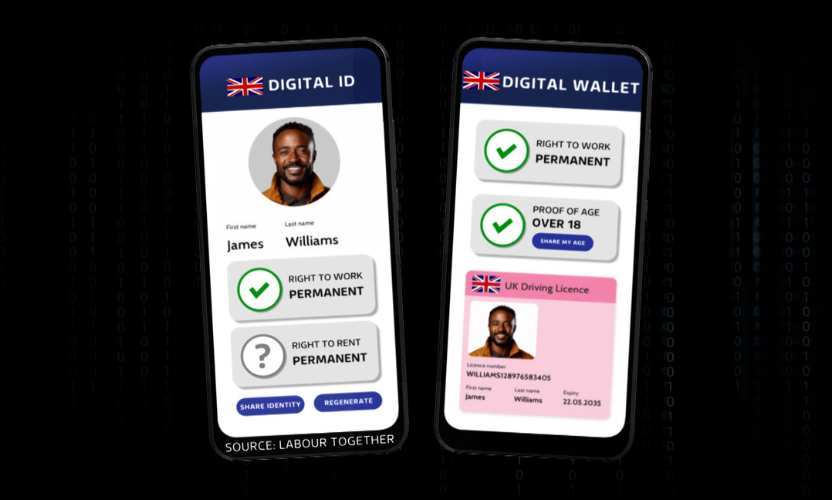
The UK Digital ID system promises to revolutionis how we verify our identity online, making mobile interactions faster, simpler, and more secure. However, while the system offers numerous benefits, it also presents privacy challenges that need to be addressed. As mobile users, we must embrace the security enhancements while remaining vigilant about protecting our personal data.
To stay secure:
- Keep Your Device Updated: Regularly update your mobile device to ensure it has the latest security patches.
- Enable Biometric and 2FA Authentication: Make use of additional security features to further protect your Digital ID.
- Stay Informed: Keep yourself updated on government policies and any changes related to the Digital ID rollout to stay in the loop about privacy regulations.
The future of mobile identity verification is on the horizon, and it’s going to be more secure and easier than ever. But it’s crucial that we remain proactive about safeguarding our privacy.
FAQs
Q1: What is the UK Digital ID system?
A1: The UK Digital ID is a government-backed initiative to create a single, secure digital identity system for UK citizens, allowing for easier and safer access to online services.
Q2: How will the UK Digital ID affect mobile phones?
A2: Digital ID will integrate with mobile phones, allowing users to authenticate their identity for services like banking, ticket booking, and accessing government services, all with biometric verification.
Q3: Will my data be safe with the UK Digital ID system?
A3: The UK government aims to ensure high levels of encryption and privacy standards, but it’s still important to use additional security measures such as 2FA to protect your data.
Q4: When will the Digital ID be available?
A4: The Digital ID system is currently in development and consultation, with a phased rollout expected over the coming years.