Introduction: Are OnePlus and Realme Joining Forces?
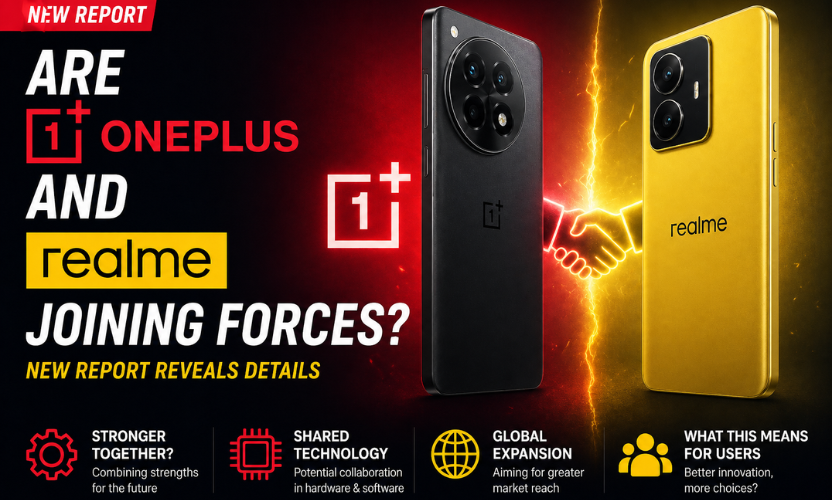
The question “Are OnePlus and Realme joining forces?” is suddenly gaining attention after a new industry report hinted at deeper collaboration between the two brands. While both companies already share a common parent group, the latest developments suggest something more strategic may be happening behind the scenes.
So, what exactly is going on? And more importantly, what does it mean for users, pricing, and competition in the smartphone market?
Let’s break it down without hype.
The Background: Same Roots, Different Identities
First, understand this clearly: OnePlus and Realme are not random competitors.
- Both brands are linked to BBK Electronics (now restructured under Oppo ecosystem)
- They already share supply chains, R&D resources, and manufacturing
- However, they target different audiences
OnePlus: Premium + flagship experience
Realme: Budget + aggressive pricing strategy
That separation has always been intentional. It prevents internal competition from killing margins.
What the New Report Actually Claims
According to recent leaks and reports:
- There may be increased collaboration in software development
- Shared use of OxygenOS + Realme UI elements
- Possible joint hardware optimization strategies
- More unified ecosystem features across devices
Now, here’s the reality: this is not a “merger”.
It’s more like tightening control to cut costs and compete better globally.
Why Are OnePlus and Realme Joining Forces?
Let’s be brutally honest this isn’t about innovation. It’s about survival and efficiency.
1. Cost Reduction
Developing separate software and hardware systems is expensive.
By sharing resources, both brands:
- Reduce R&D costs
- Speed up product launches
- Improve margins
2. Stronger Competition Against Samsung & Apple
Individually, they struggle to compete at scale.
Together, they can:
- Share tech improvements faster
- Deliver features across price segments
- Build a stronger ecosystem
3. Software Optimization
Instead of maintaining separate systems:
- Realme UI and OxygenOS may become more similar
- Updates could become faster (in theory)
But don’t assume perfection; shared systems often create generic user experiences.
What OnePlus and Realme Joining Forces Means for Users
Here’s where things get interesting.
Potential Benefits
- Faster updates due to shared development
- Better performance optimization
- More features across budget and flagship devices
- Improved ecosystem connectivity
Potential Downsides
- Loss of brand identity (especially for OnePlus)
- More “copy-paste” features across devices
- Risk of bloated software experience
- Less innovation, more standardization
If you’ve followed OnePlus over the years, you already know this trend has started.
Is This a Merger or Just Strategy?
Let’s kill the confusion.
This is NOT a merger.
Instead, it’s:
- Internal restructuring
- Resource sharing
- Strategic alignment under a bigger ecosystem
Think of it like this:
Different brands, same engine underneath.
Impact on the Smartphone Market
If this collaboration becomes stronger, expect the following:
- More competitive pricing in mid-range phones
- Faster feature rollout across brands
- Increased pressure on Xiaomi, Samsung, and Vivo
However, there’s a downside most people ignore:
When companies share too much internally, innovation slows down.
And that’s exactly what could happen here.
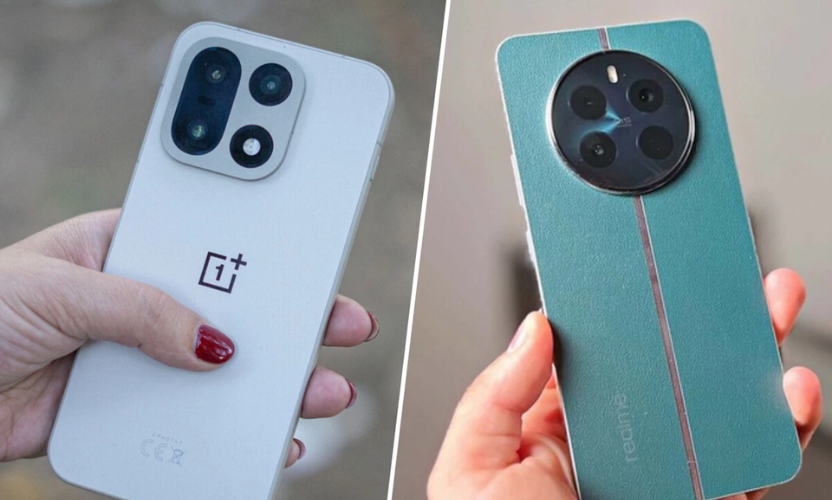
What to Expect Next
Based on current trends, you’ll likely see:
- Similar UI experience across OnePlus and Realme devices
- Shared camera processing improvements
- More unified ecosystem (earbuds, tablets, wearables)
- Less distinction between mid-range and premium features
In simple terms:
The gap between OnePlus and Realme will shrink.
Final Verdict: Should You Care?
Yes, but not for the reason you think.
If you’re expecting a revolutionary partnership, forget it.
This is a business move, not a consumer-first innovation.
However, it does matter because:
- It will affect pricing
- It will affect software experience
- It will shape future smartphone competition
So, the real question is not “Are OnePlus and Realme joining forces?”
It’s:
“How much uniqueness are they willing to sacrifice to compete?”
For more smartphone updates and tech insights, check out the following:
For industry-level smartphone trends and brand strategies, visit.